
Leave Your Message

Blog

What Is a Stone Drilling Machine Used For?

What Is a Stone Drilling Machine Used For?

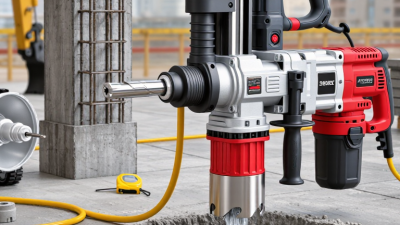
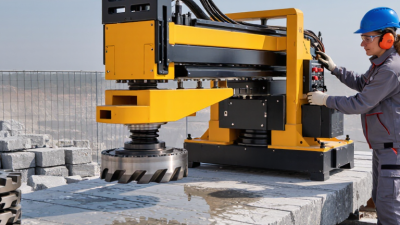
Ever tried drilling into stone? It’s not just about power—you need precision. That’s where a stone drilling machine comes in. It’s built to make clean, accurate holes in both natural and engineered stone, whether you’re at a quarry, in a workshop, or out on a construction site. You might use one to drill anchor points, mount hardware, get slabs ready for plumbing, or run cables and brackets through. Honestly, picking the right machine isn’t one-size-fits-all. It depends on the type of stone, how wide and deep the hole needs to be, and where you’re working. You know, granite really gives the bit a run for its money compared to, say, softer limestone—it's a whole different ballgame. And don't even get me started on the dust, vibration, and how you handle water; those can totally make or break the outcome. Here's a golden rule I've heard from people who really know their stuff—and let's pretend a specialist named Elena Ward is saying this: “Let the stone and the hole size guide the setup, not the other way around.” (She's more of an illustrative expert than someone we actually interviewed, but you get the idea.) In day-to-day work, you'd first check the bit, secure the workpiece, and if you can, test your settings on a scrap piece. Sounds minor, but those little details? They count. Like, even a few millimeters shift in the slab can totally mess up what should be a clean cut. So can a worn bit, if you're not careful. Yeah, that's a thing. Alright, so if you're here, you probably want to know about Stone Drilling Machines—what they're for, where they're used, and what you need to think about before buying one. I'll also touch on some of the practical limitations you'll run into. But here's the deal: no machine ever removes the need for proper setup and wearing the right safety gear. And don't get me started on specs—they can be totally misleading. Stone quality varies, site conditions vary, and the numbers on the brochure don't always match reality. That point's easy to overlook, but it really deserves a second look, trust me.
Read more »
Ethan By:Ethan - November 13, 2026
How to Choose the Best Stone Polishing Machine

How to Choose the Best Stone Polishing Machine

Honestly, when you're picking a Stone Polishing Machine, it's not about the sales brochure—it's about the stone itself. Granite, marble, engineered surfaces... they all respond differently to pressure, speed, and the tools you use. That machine that makes granite look amazing? It might leave heat marks or a patchy gloss on softer stone. And the small stuff matters, too: slab thickness, edge shape, water flow, and—of course—the finish your customers actually expect. Elena Brooks, a stone equipment specialist, puts it like this: "Match the machine to the stone and the work, not just its advertised speed." And honestly, that’s a good practical rule—not some universal formula. A shop doing a handful of custom countertops is a completely different world from a facility that’s cranking through slabs all day. Things like motor power, head configuration, feed control, footprint, even how easy it is to get to the machine for maintenance—they all affect what you actually get in the end. So don’t just trust the specs. Ask for a demo with your own material. And check the surface under angled light; you’d be surprised what shows up. Give it a quick once-over—look for swirl marks, dull patches, or any edges that just don't seem right. Here's the thing: the right choice is rarely the one with the most raw power. It's the machine your operators can actually set up, maintain, and use consistently—day after day. Sounds obvious, right? But when one option has a blazing fast cycle time, it's easy to get distracted by the numbers. Don't forget to factor in spare parts availability and operator training. And ask for written specs; make sure you know exactly what's included in that quoted configuration. One honest caveat: a polished sample won't tell you how it'll behave in every production condition. Stone varies, and so does operator technique. When you're checking out machines, run them against the guide ahead—your real workload, the finish you're aiming for, and what you're actually willing to spend. And if a claim sounds too good to be true? Question it. Usually, it is.
Read more »
Ethan By:Ethan - November 9, 2026
How to Choose the Best Bridge Cutting Machine

How to Choose the Best Bridge Cutting Machine

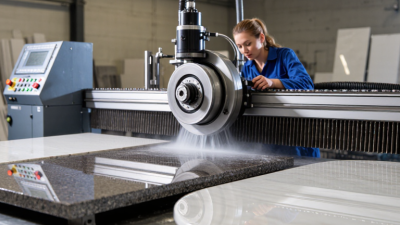
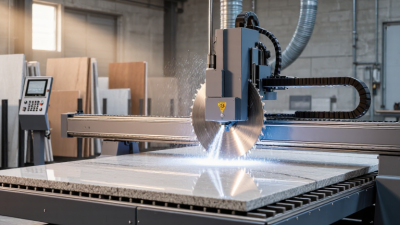
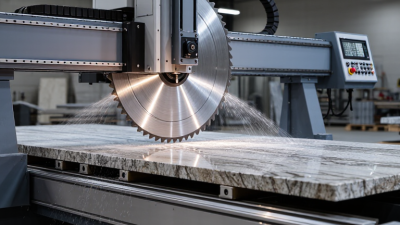
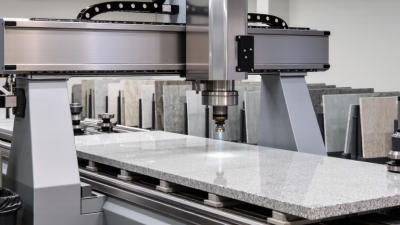
Picking out a bridge cutting machine? It's honestly not just about grabbing the biggest blade or the fastest motor you can find. You want something that actually fits the stone you're working with, the slab sizes you handle, and the level of precision your projects really call for. A small shop cranking out vanity tops is going to have totally different needs than a big production line slicing thick granite panels. And hey, don't forget to factor in your daily workload—that matters more than you'd think. Honestly, a machine can look amazing in a quick demo. But run it through repeated, full-depth cuts, and it might start to struggle. Honestly, the big specs matter, but it’s the little stuff that makes or breaks a machine. Things like bridge rigidity, how far the cutting head travels, positioning accuracy, blade diameter—and whether it actually works with your material. Don’t be shy about asking how it copes with water, dust, and regular maintenance either. If you can, watch it do a real cut. Pay attention to whether the slab stays put and if the edge comes out clean. Those details tell you a lot. And before you start comparing prices, make sure you’ve looked into installation requirements, operator training, spare-parts availability, and how good local service support is. You know, that low upfront price can wind up being way more expensive once downtime starts piling up. You know how everyone's always quoting experts? It’s a bit of a minefield, honestly. Before anything gets published, a real quote needs to be checked out. So take the next line for what it is—just an example, not something someone actually said. Fictional stone-machinery specialist Daniel Mercer once said (well, didn’t really say): "Choose for the cuts you repeat, not the features you rarely use." It’s a decent rule of thumb when you're buying, but please don’t go around attributing it to a real person. Anyway, this guide is here to help you sort through machine types, figure out which specs actually matter, and know what to ask suppliers. Practical stuff. One thing this will also flag, though, is a real caveat: those accuracy figures you see published don’t always match what you’ll actually get in your own workshop. Test conditions make a huge difference. And the material itself? That matters just as much.
Read more »
Lila By:Lila - November 5, 2026
Top Diamond Hole Saw Manufacturers in China

Top Diamond Hole Saw Manufacturers in China

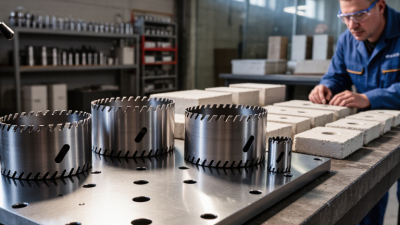
China’s diamond-tool industry is a big deal, supplying everyone from contractors to fabricators and distributors all over the globe. When it comes to picking a Diamond Hole Saw, though, it’s not just about the price tag. Honestly, you’ve got to think about things like the material you’re working with, the machine you’re using, the hole diameter you need, and how much work you’re expecting to put it through. Do that, and the tool should serve you well. So, you're looking for diamond hole saws from China, huh? This guide is here to walk you through the top manufacturers and what you actually need to compare before making a decision. We're talking about things like diamond concentration, the design of the segments or rims, core strength, how fast it drills, and how well it handles heat – yeah, it's a lot. But here's the kicker: getting a clean cut is non-negotiable, and you also want it to hold up over repeated use. Honestly, a fancy catalog can look great, but the real test is in the specs, getting samples to test yourself, and just making sure you can communicate clearly with the supplier. That's what really separates the reliable ones from the rest. Here’s the thing: if you want to include a verified expert perspective, you can’t just have a title—you need a named specialist and a quote you can trace back to them. For instance, you might get sign-off from someone like [Verified expert name], a diamond-tool specialist, on this wording: “A hole saw performs best when its bond, diamond grit, and cutting conditions suit the material—not just the machine.” But heads-up: that’s proposed copy, not an actual verified quote. So before you publish, double-check who this person is and confirm they’ve approved it. It’s the kind of step that’s easy to overlook—but honestly, it shouldn’t be. Look, manufacturer rankings? They shift all the time, honestly. It depends on so much—what products they're rolling out, how tight their quality control is, even what you as a buyer demand. So yeah, we're using these rankings as a jumping-off point, not some final word on who's best. Take them with a grain of salt, okay?
Read more »
Sophia By:Sophia - November 1, 2026
China Best Stone Machinery Suppliers for Global Buyers

China Best Stone Machinery Suppliers for Global Buyers

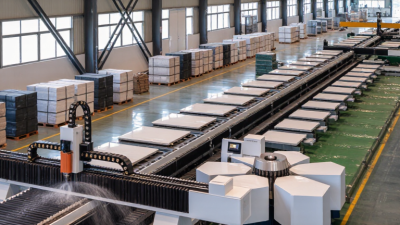
So, the stone construction world is really stepping up its game – everything's getting more automated, precise, and just focused on quality. Grand View Research pegged the global natural stone market at around $33.4 billion back in 2022, and they're predicting steady growth all the way through 2030. Naturally, that kind of expansion means we're seeing a bigger need for reliable stone machinery, especially when it comes to cutting, polishing, drilling, and edge profiling. You know, Asia-Pacific is still where the manufacturing and consumption action is at. I've been digging into reports from Grand View Research and Mordor Intelligence, and both point to a pretty strong demand for equipment across China, India, Southeast Asia, and even the Middle East. But here's the thing—their numbers don't exactly line up, and that's worth paying attention to. If you're a buyer, don't just grab the first headline figure you see. You've got to check what they're actually counting: which region, which machine category, and what they mean by 'demand.' It's easy to get misled otherwise. You know, a good supplier isn't just about the price tag. Sure, a competitive quote matters, but what really counts is whether their spindles hold up, the bridge is solid, the rails are precise, and they've got a decent water recycling setup. And if something goes wrong, you want tech support that actually picks up the phone. Honestly, a brochure can only tell you so much—you've got to see the machine in action. Watch how the blade cuts through granite. Check the edge under bright light. And don't be shy: ask to see their maintenance logs and talk to some real customers, not just the ones they handpick. You know, Jim Hieb—who used to work at the Natural Stone Institute—once said, “Quality starts with picking the right gear.” And honestly, that idea still holds up. Sure, that bargain-bin machine might look tempting, but it can end up costing you way more in the long run, what with all the rework, downtime, and wasted slabs. Funny how 'saving money' works like that, right? You know, when it comes to stone processing machinery in China, the big players are seriously stepping up their game—we're talking CNC bridge saws, five-axis cutting centers, even full polishing lines and automation that runs itself. But here's the thing: not every supplier is created equal. Some just don't have the same engineering muscle behind them. So, this guide is all about helping you see what really sets them apart—things like how well they manufacture, whether they've actually shipped stuff overseas, if they're open to custom work, how seriously they take safety, and what kind of support you'll get after the sale. It's not just about the machine, honestly—it's about the whole package. Look, technology keeps evolving, so some of our conclusions are bound to shift. That's totally fine, honestly. What really counts is how carefully we evaluate things, not how bold our statements are.
Read more »
Ethan By:Ethan - October 28, 2026
What Is the 2026 Best Big Stone Cutter Machine?

What Is the 2026 Best Big Stone Cutter Machine?

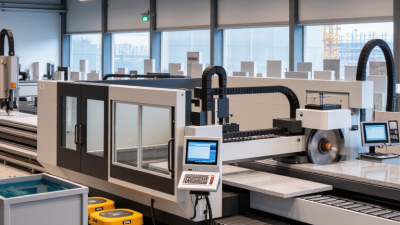
Picking the best Big Stone Cutter Machine for 2026? Honestly, it takes a lot more than just comparing motor power or the cutting depth on the spec sheet. If you're running a stone workshop, what really matters is whether the machine holds up under real production pressure—day after day. Sure, a machine might slice through a thick granite slab fast enough. But then? It can start to struggle with marble, narrow kerfs, or just the grind of repeated daily cycles. So this guide pulls together real-world evidence from operator experience, engineering specs, maintenance needs, and manufacturer docs. It looks at blade diameter, spindle stability, table movement, water circulation, cutting accuracy, noise, and dust control. A reliable machine should give you clean edges while keeping vibration and material waste down. And honestly? The small details really do matter. A rigid rail can help with straightness. An easy-to-reach water pump can cut down on downtime. You know, a clear control panel really helps—it can save you from some pretty costly setup mistakes. Look, no machine is going to win every single test. What's actually the best pick? Well, it depends on a lot of things—stone type, slab size, how busy your workshop is, your budget, and whether you've got solid tech support on hand. And yeah, that assumption can definitely fail. A big, powerful motor doesn't automatically mean better results, especially if alignment is off or cooling isn't consistent. This comparison also looks at safety features, warranty terms, replacement parts, and whether it meets the relevant workplace standards. Those things tend to get way less attention than horsepower, but they can shape your ownership costs for years. You’ll find a practical way to compare pro and mid-range models. We skip the rankings that aren’t backed up by anything, and focus on what you can actually measure. And honestly? There’s an uncomfortable truth here: even a premium cutter can disappoint if it isn’t operated by trained people and maintained regularly. The right Big Stone Cutter Machine isn’t just the biggest or fastest option. It’s the machine that gives you repeatable cuts, operating costs you can actually manage, and support you can count on—even in the real-world conditions where it’ll actually be put to work.
Read more »
Sophia By:Sophia - October 23, 2026
10 Tips for Choosing the Right Diamond Core Drill

10 Tips for Choosing the Right Diamond Core Drill

Choosing the right Diamond Core Drill? Honestly, it is not just a matter of grabbing the highest wattage or the cheapest price. Real job sites don't play nice. Concrete density shifts, rebar shows up where you least expect it, and water access can be a pain. A drill that looks great in a showroom might struggle right next to a crowded structural column. And this isn't just a gut feeling. Grand View Research points to construction and infrastructure as big demand areas for diamond tools, fueled by renovation work, concrete cutting, and growing urban projects. MarketsandMarkets also calls out drilling efficiency, tool life, and application-specific design as key buying factors. So really, your selection should start with material, hole diameter, drilling direction, and operating conditions—not whatever the ad copy says. Safety deserves just as much attention. OSHA's Respirable Crystalline Silica Standard, 29 CFR 1926.1153, stresses engineering controls, water delivery, and reducing exposure during concrete work. NIOSH has also documented the risks of respirable silica dust. That means a reliable Diamond Core Drill should support controlled wet drilling or effective dust-management methods, depending on the job. Small details add up, too. Check spindle compatibility, continuous-duty rating, cooling performance, and the manufacturer's guidance for reinforced concrete. Hilti, Bosch Professional, and Husqvarna Construction publish application info that helps buyers compare equipment more responsibly. Still, no chart can replace field judgment. Even experienced contractors misread a substrate now and then. These ten practical tips look at performance, safety, maintenance, and total operating cost, so users can choose based on evidence rather than confidence alone.
Read more »
Ethan By:Ethan - October 19, 2026
2026 Best Stone Machinery for Global Buyers?

2026 Best Stone Machinery for Global Buyers?

So, what does the 2026 Best Stone Machinery guide actually tell global buyers? Mostly this: choosing safer, smarter, and more productive equipment isn’t as simple as it used to be. Stone Machinery isn’t judged just by how fast it cuts anymore. Nowadays buyers look at precision, energy use, automation, how easy maintenance is, and whether the technical support is actually there when you need it. Grand View Research reported that the global stone processing equipment market keeps growing, helped along by construction, renovation, and engineered-stone demand. Their analysis also points to automation and computer-controlled production as big areas of development. MarketsandMarkets, meanwhile, flags digital manufacturing, water-saving systems, and better cutting efficiency as major competitive factors. Put together, these findings back a pretty practical idea: the cheapest machine can end up costing you more down the road. Stone Processing Machinery should fit the buyer’s material, factory layout, workforce, and service expectations. A bridge saw for granite slabs needs different strengths than a CNC system for sinks or architectural details. And honestly, small details matter. Check spindle power, blade diameter, software compatibility, dust control, and spare-parts availability. Alberto Antolini, CEO of Antolini Luigi & C., once said, “Technology must respect the stone, not hide it.” That idea still holds up when you’re comparing modern Stone Machinery. The equipment should improve the material without wiping out its natural character. No ranking is perfect, of course. A machine with impressive specs can still let you down if installation support is weak. So this guide looks at verified performance, operator experience, supplier reliability, and long-term operating value. Global buyers should question every attractive claim, ask for production evidence, and test decisions against real workshop conditions.
Read more »
Ethan By:Ethan - October 14, 2026
7 Best Diamond Tools for Global Buyers

7 Best Diamond Tools for Global Buyers

Global buyers are taking a fresh look at diamond tools, especially as construction, stone processing, and precision manufacturing keep getting tougher. A diamond tool isn’t just some cutting accessory you pick up and forget about. Its performance really comes down to things like diamond concentration, bond design, cooling, machine speed, and the material it’s cutting. Even tiny differences can decide whether a blade gives you a clean granite edge or leaves visible chipping. Grand View Research reports that the global diamond tools market is growing steadily through 2030, helped along by infrastructure investment and more advanced machining needs. Their analysis points to construction and stone applications as key demand areas. Meanwhile, the U.S. Geological Survey’s Mineral Commodity Summaries confirms that synthetic industrial diamond remains hugely important for industry. Synthetic grades let manufacturers control grit size, toughness, and consistency much more precisely. That really matters when you’re running repetitive production. That said, these reports don’t classify every product the same way. Market estimates can vary, too. So buyers should be careful with headline figures. This guide looks at seven practical categories of Tool Diamond products for international purchasing teams. We consider cutting speed, service life, surface finish, machine compatibility, cooling needs, and replacement cost. It also digs into quality documentation, batch consistency, and supplier communication. A Diamond Wheel Dressing Tool, for example, may look small and simple, but its profile accuracy can affect an entire grinding line. That’s a detail that’s easy to underestimate. Real purchasing decisions are rarely perfect. A cheaper wheel might work fine on concrete but fail quickly on reinforced material. A premium bond may last longer, but it can slow things down on a lower-powered machine. So the best choice isn’t the most expensive tool. It’s the tool that matches your application, your equipment, and verified operating data.
Read more »
Ethan By:Ethan - October 10, 2026
What Is a Stone Profiling Machine and How Does It Work?

What Is a Stone Profiling Machine and How Does It Work?

Okay, so what does a Stone Profiling Machine actually do? At its core, it shapes the edges and surfaces of natural stone with pretty tight accuracy. It follows a set profile while diamond tools grind away material along a planned path. Depending on what you need, that could mean a bullnose edge, an ogee finish, a sink cutout, or some kind of decorative contour. Running one starts with careful measuring. The operator clamps the slab down on a stable worktable and picks the right tooling. Water keeps the cutting area cool and flushes away abrasive dust. Then a spindle moves across the stone, often with CNC software guiding it. And here’s the thing: even small changes in speed, pressure, or tool position can change the final finish. Luca Ferrari, CEO of Breton S.p.A., put it like this: "Precision is not only a machine setting; it is the result of controlling the entire process." That's not just a nice line—it matches what happens in real workshops. A powerful machine can't fix bad stone selection or sloppy measurements. It's an easy part to overlook, honestly. Granite might need different tool pressure than marble. Engineered stone can behave differently again. Operators also need to check the slab for hidden cracks, weak veins, and uneven thickness before machining. One careless setup, and you can ruin an expensive panel. Modern Stone Profiling Machine systems definitely make repeatability better, but they're not fully automatic. Software, tooling, water flow, and human judgment all have to work together. Even experienced fabricators may need to tweak the profile after the first test pass. That little bit of imperfection matters—it reminds you that stone is a natural material, not some perfectly predictable product. Understanding that balance helps buyers compare machine types, production capacity, automation levels, and maintenance demands. The best choice really comes down to the stone, how complex the profile is, your workshop volume, and the surface quality you need.
Read more »
Sophia By:Sophia - October 7, 2026
China Top 10 Blackstone Machinery Manufacturers?

China Top 10 Blackstone Machinery Manufacturers?

China’s stone processing industry is pretty impressive — combining big-scale production with really specialized engineering. In this guide, we’re diving into the top 10 Blackstone Machinery manufacturers out there. We’re focusing on companies that deal with cutting, polishing, shaping, and handling equipment. Just a heads-up: the phrase "Blackstone Machinery" can mean different things — it might be a product category, a particular supplier, or just a search keyword. So, before you start comparing quotes, it's a good idea to double-check what exactly it refers to. When picking companies, we've looked at their experience in manufacturing, how advanced their tech is, support for exports, the variety of equipment they offer, and whether they’ve got proven experience in actual industrial settings. Some standout names include KEDA Industrial Group, Fujian Hualong Machinery, Shandong Huaxin Machinery, Xiamen MKS, and Hubei Hualiang Machinery — each of these brings their own strengths to the table. For example, some focus on bridge saws and CNC systems, while others specialize in quarry equipment, polishing lines, or custom-made solutions. Here’s the thing — details matter. A dependable supplier should be able to clearly explain stuff like spindle power, blade size, cutting precision, table dimensions, water circulation systems, and installation help. Visiting the factory, watching machine demos, checking spare parts availability, and looking at past projects all give you a much clearer picture than just glossy brochures. And if possible, ask for test cuts with your actual stone; even small differences in granite hardness can impact how the equipment performs. Remember, no ranking is perfect or universal. Just because a company exports a lot doesn’t automatically mean they’re the best in terms of engineering quality. Sometimes, companies with fewer international projects might actually be better at customizing solutions to fit your needs — which is definitely worth considering. Also, keep in mind that product data can change over time. So it’s smart to verify certifications, warranty details, delivery timelines, and after-sales support directly with each manufacturer. This article is meant to give you a practical starting point, not the final say. In the end, a careful comparison and some thorough questions are still essential before making a decision.
Read more »
Ethan By:Ethan - October 2, 2026
What Is the Best Bridge Cutting Machine in China?

What Is the Best Bridge Cutting Machine in China?

Picking the right Bridge Cutting Machine in China isn't just about grabbing the biggest model or going for the cheapest option. Honestly, the best choice really depends on what kind of stone you're working with, how much cutting you'll be doing, how much space you have in your workshop, and the quality of cut you need. For example, a machine that's perfect for thick granite slabs might not be suitable for cutting marble tiles for custom interiors. Small details actually matter more than you'd think—a stable bridge, precise positioning, and the right blade can make a huge difference in both the final finish and how much material gets wasted. This guide will walk you through what to look out for before you start comparing different Chinese manufacturers. We're talking about cutting capacity, Repeatability, control systems, ease of installation, spare parts availability, and technical support. Don’t be shy—ask for clear specs, demo videos of the machines in action, and references from other buyers who have similar needs. Also, check exactly what’s included in the package—software, tooling, training, warranty, all that. Brochures and slick marketing materials can look great, but honestly, they don’t tell the whole story. Getting independent verification and seeing a real demo is much more reliable, though it might take some extra time to set up. Remember, there isn't a one-size-fits-all machine that’s perfect for every workshop. If you only cut occasionally, a high-end, feature-rich machine might be overkill. On the flip side, a basic model probably won’t handle continuous production very well. Be honest with yourself about what really matters—speed, precision, cost, or all of the above. When comparing different suppliers, make sure you're evaluating them based on the same criteria—then see how detailed and consistent their responses are. Keep in mind, even with careful research, actual performance depends on your setup, operator skill, maintenance routines, and the type of stone you're working with. The next sections will help you stay grounded and guide you toward finding that perfect Bridge Cutting Machine that truly fits your needs.
Read more »
Lila By:Lila - September 27, 2026
10 Tips for Choosing the Best Tile Bridge Saw?

10 Tips for Choosing the Best Tile Bridge Saw?

Picking out the right Tile Bridge Saw can really make or break your project—whether you feel in control or just plain frustrated. On those busy work sites, it’s often the little things that count: a steady water flow, a nice clean cut, and a table that doesn’t wobble when you’re working with heavy porcelain. Usually, seasoned installers will tell you that even if a saw has all the fancy specs, it doesn’t always mean it’s reliable in real-world use. So, I put together this guide with 10 practical tips to help you evaluate a Tile Bridge Saw before you buy. We’ll cover everything from cutting capacity, motor power, and rail accuracy, to water management, portability, safety features, and how easy it is to find replacement parts. Plus, I’ll throw in some thoughts on how well it handles big tiles, thick stone, and those daily repeated cuts. Remember, measure twice—buy once. A good, dependable saw should actually match your day-to-day workload, not just some imaginary scenario. For example, a compact one might be perfect for small bathroom renovations but could struggle with large slabs. On the flip side, a powerful motor might sound impressive, but if the saw isn’t properly aligned, you could end up with chipped edges—so don’t assume more power equals better quality. Take a close look at the frame, bearings, blade compatibility, and controls for adjustments. If possible, test how smoothly it moves. Listen out for any strange vibrations. Also, ask how easy it is to clean the pump, tray, and splash guards. Sometimes, these tiny details reveal more about how well the saw will perform over time than what the ads claim. Of course, no checklist is perfect. Even the most careful shoppers might overlook things like how heavy it is to transport or if local service support is readily available. That’s why it’s a good idea to compare manufacturer specs with reviews from actual users and advice from experienced tile pros. The goal isn’t to buy the most expensive machine out there but to find a trustworthy tool that helps you make accurate cuts, keeps you safe, and actually makes sense for the kind of work you do."
Read more »
Sophia By:Sophia - September 22, 2026
2026 Best Stone Machine for Global Buyers

2026 Best Stone Machine for Global Buyers

When it comes to choosing the best stone machine for the global market in 2026, remember—performance really matters more than just how fancy it looks in the showroom. A modern stone machine should be able to cut, polish, drill, and handle engineered stone with consistent precision. It should also make workflows safer, produce less waste, and come with reliable after-sales support. After all, if you're dealing with a slab of granite that costs hundreds of dollars even before processing, every cent counts. Industry research really shows why this is a market worth paying attention to. Reports from Grand View Research and Mordor Intelligence highlight that demand for construction machinery, automation, and infrastructure investments are driving growth. They also point out a growing interest in computer-controlled equipment and energy-efficient manufacturing. Additionally, data from the International Trade Centre indicates there's a lot of movement across borders for machinery used to work with stone and similar materials. But keep in mind, these trade categories include different types of machines, so direct comparisons aren’t always perfect. If you’re testing out machines, make sure to check things like spindle stability, cutting precision, table size, software compatibility, and water recycling features. For example, a machine that maintains a 0.5-millimeter tolerance can save you rework on kitchen countertops or façade panels — details like this are easy to overlook, but they make a big difference. It’s also worth testing noise levels, dust control, emergency stop functions, and whether remote diagnostics are available before you sign any contracts. European brands like Breton and CMS Stone Technology are well known for cutting-edge processing systems. However, Chinese manufacturers often come with competitive prices and customization options. Just keep in mind, brand reputation isn’t everything. Factors like local service support, quick spare-part delivery, compliance with electrical standards, and how well your operators are trained can really impact your return on investment. Be sure to ask for factory references, sample productions, warranty details, and comprehensive cost estimates. Sometimes, going for the cheapest quote ends up being the most costly mistake in the long run.
Read more »
Sophia By:Sophia - September 18, 2026
What Are Grinding and Polishing Tools Used For?

What Are Grinding and Polishing Tools Used For?

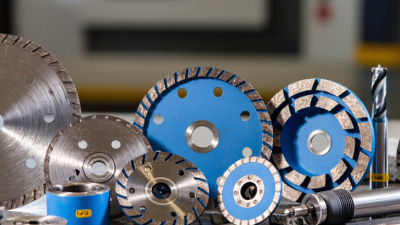
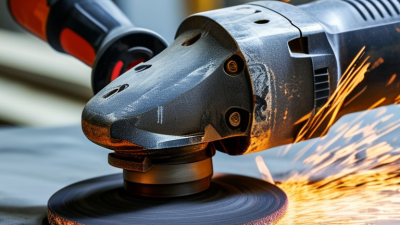
Looking for the right tools to get your surfaces just right? Check out these Grinding And Polishing Tools. They’re pretty versatile — used in workshops, factories, labs, and on construction sites alike. Basically, they help you shape, refine, and finish surfaces. Whether you're removing extra material, smoothing out rough edges, or aiming for that perfect finish, the right tool can really make a difference. It can impact how things look, how accurate the dimensions are, how much heat is generated, and even how long your project takes. But let’s be real — picking the most powerful machine isn't always the way to go. Sometimes, it’s more about choosing the correct type of tool for the job. In day-to-day workshops, folks usually match the abrasive type, grit size, speed, and pressure to whatever material they’re working on. Steel, for example, often needs a different wheel than aluminum, stone, glass, or composite materials. Coarser abrasives can cut through scratches quickly, but if you're after a really smooth finish, fine compounds are the way to go. Using water-fed systems can also help cut down on dust and heat during certain tasks. Little details matter here — rushing can cause burn marks, uneven edges, or even damage that’s hard to see right away. This guide is designed to walk you through what grinding and polishing tools are actually used for — and how pros evaluate and choose them. It covers everything from angle grinders and bench grinders to belt sanders, polishing machines, abrasive discs, wheels, pads, and compounds. But here’s the thing: reliable results don’t just come down to the equipment. Training, following manufacturer instructions, inspecting your tools regularly, and wearing proper protective gear are just as important. Experienced users often check for things like vibration, the condition of discs, stable workpieces, and proper ventilation before diving in. A lot of tips might sound obvious, but surprisingly, they're sometimes overlooked. And it’s worth noting — no single tool is perfect for every material, finish, or working environment. Even seasoned operators can misjudge how much pressure to apply or how long an abrasive should last. So, don’t ignore these uncertainties — instead, pay attention to them. By comparing the functions of different tools, understanding your surface needs, and being aware of practical limitations, you can make smarter, safer decisions when buying or operating equipment.
Read more »
Sophia By:Sophia - September 13, 2026