
What Is a 5-Axis Bridge Saw and Why Stone Shops Need One
TL;DR: A 5-axis Bridge Saw is a CNC stone saw whose head is driven in five independent directions at once — three straight axes (X, Y, Z) and two rotary axes (A for tilt, C for swivel). The two rotary axes are what separate it from a 3-axis or 4-axis machine, because they change the direction the blade points instead of only the place it sits. That extra freedom lets a 5-axis saw cut a bevel, miter, or undercut edge in one setup, and a typical angled vanity top that needs two re-fixtures on a 3-axis saw needs none on a 5-axis saw. The term is used loosely in marketing: a machine that merely positions its head in five directions is far less capable than one that interpolates all five axes simultaneously. A shop cutting straight, square-edged work about 90% of the time does not need the capability, and four axes is the honest recommendation there.
Quick Answer
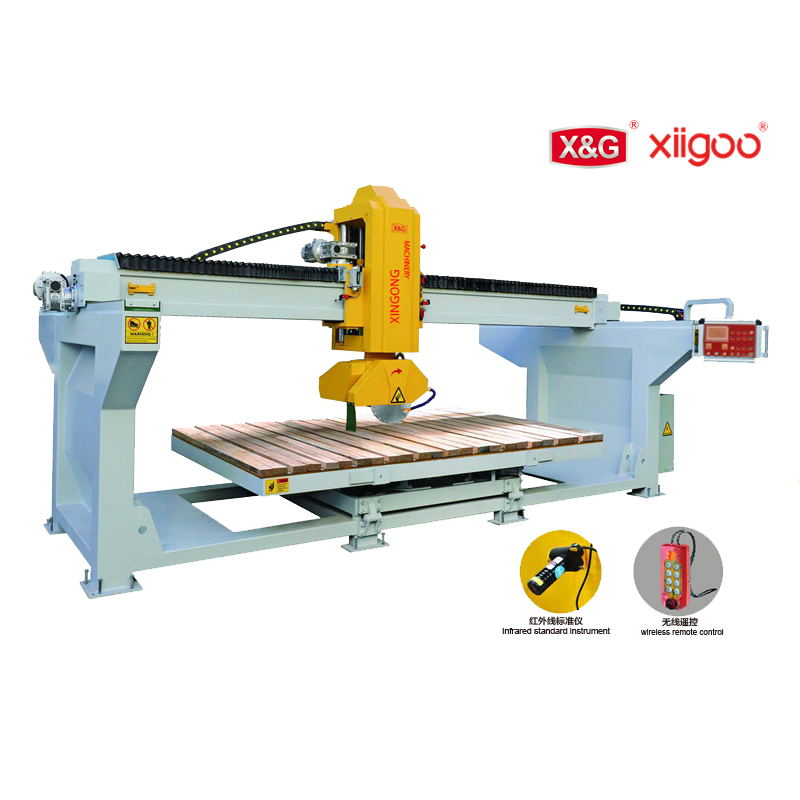
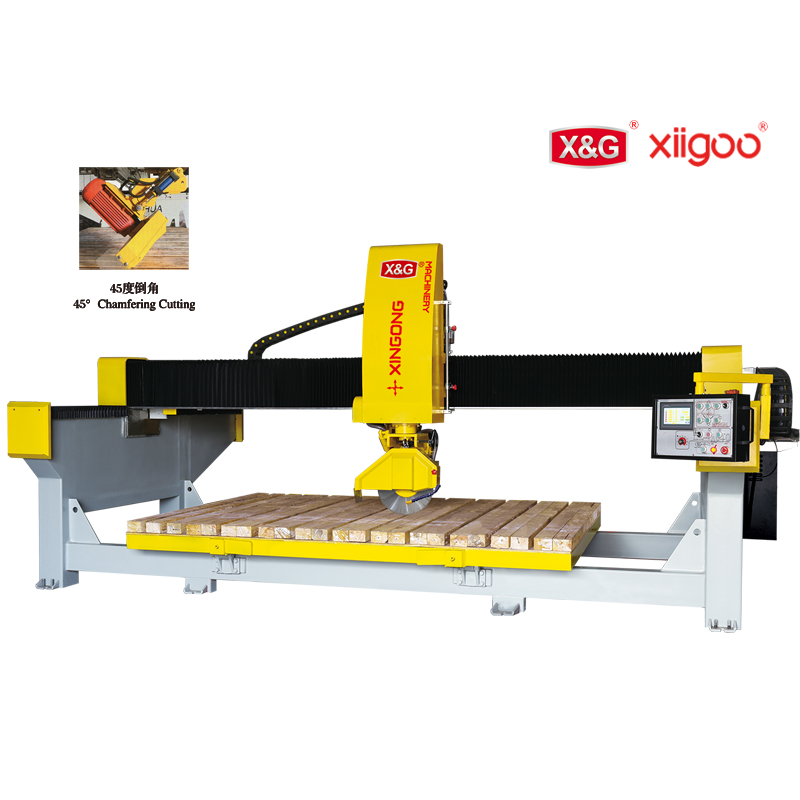
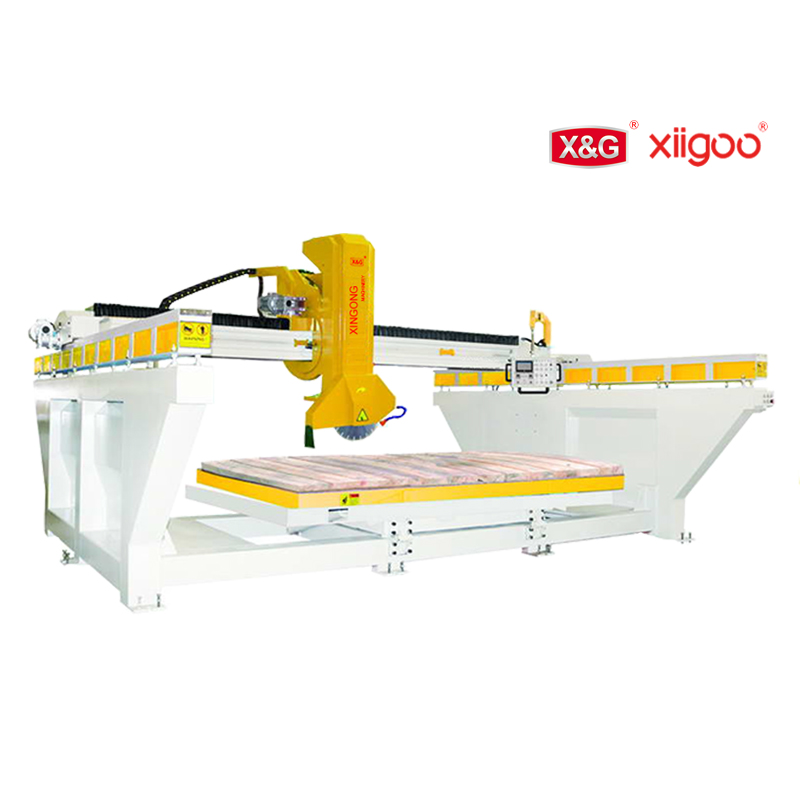
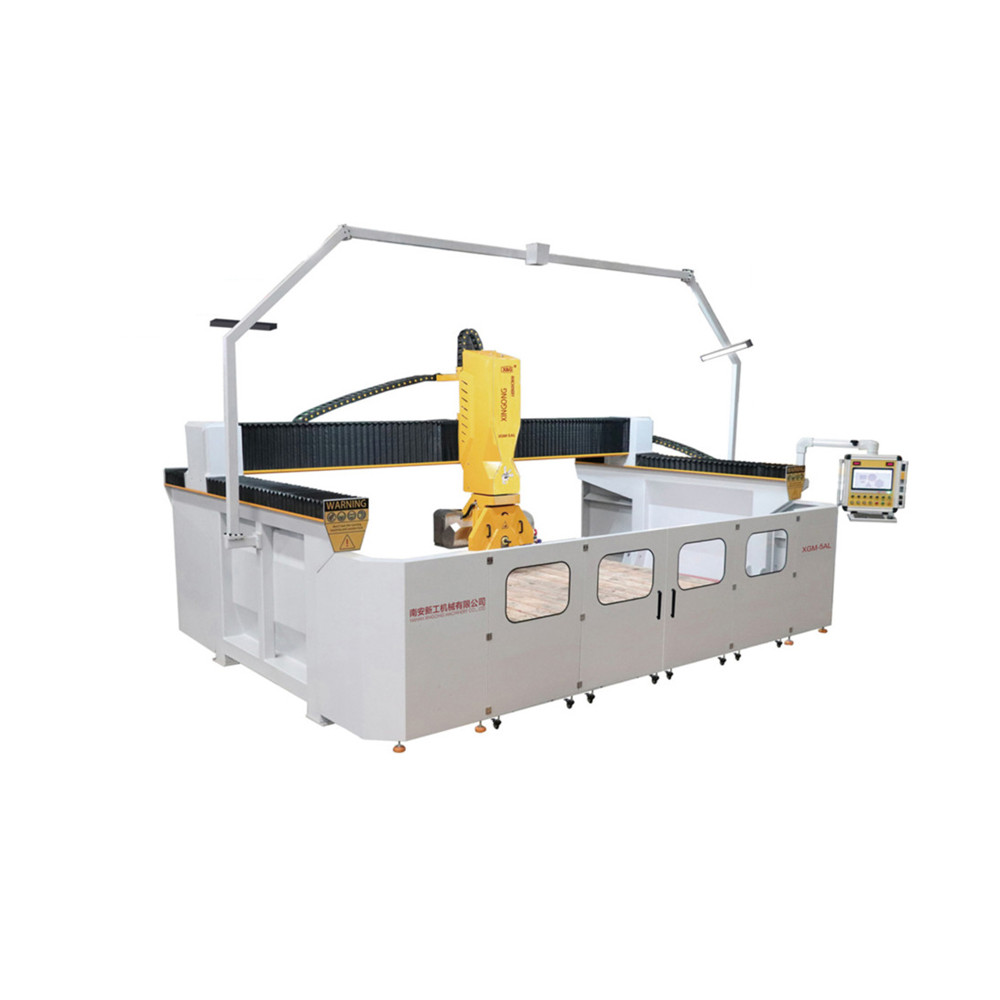
A 5-axis bridge saw is a computer-controlled stone cutting machine whose head moves along five controlled axes — X, Y and Z for position, plus A and C for rotation — under a single numeric program. The three linear axes are the ones every bridge saw already has: X travels along the table, Y travels across it, and Z sets blade height. The two rotary axes are what earn the machine its name, and they work in pairs: A tilts the head forward and back, while C swivels it around the vertical axis, so the blade can be aimed at the stone from almost any direction instead of only pushed into it vertically. Because the blade can change direction as well as position, an angled edge, a curved undercut, or a compound bevel can be finished in a single setup rather than by turning the slab — and on a 3 cm slab of 3.2 × 2.0 m that weighs about 518 kg at a granite density near 2,700 kg/m³, avoiding a turn is a safety gain as much as a time saving. The honest framing is that five axes is a capability purchase: it pays back when a real share of your work genuinely cannot be reached without an angled approach, and it is wasted money when your production is straight and square.
What "5-Axis" Actually Means
A 5-axis bridge saw is defined by the number of motions its controller drives together, not by the number of motors bolted to the frame. Three of those motions are translations and two are rotations, and it is the two rotations that decide whether a machine deserves the label. An axis is a direction the cutting head can be commanded to move or turn, and a machine is truly five-axis only when all five of those directions are controlled by the same program and can be commanded at the same time.
Why this distinction matters is simple arithmetic: the position of a blade in space needs three numbers, and the direction it points needs two more. A saw with only the three translations can place its blade anywhere on the table, but the blade always points the same way — usually straight down. Because the last two numbers are missing, a 3-axis saw cannot reproduce a surface that faces sideways, no matter how good its positioning accuracy is. Add the two rotations and the blade acquires a direction, which is the whole difference between a saw that cuts slabs and a saw that shapes stone.
The Five Axes, One at a Time
Decoded one by one, the five axes are ordinary machine motions with unglamorous jobs.
- The X axis moves the bridge along the length of the table, so it sets where the cut lands from left to right.
- The Y axis moves the cutting head across the width of the table, so it sets the front-to-back position of every cut.
- The Z axis raises and lowers the blade, so it sets the depth of cut and the height of the spindle.
- The A axis tilts the head around a horizontal line, which is how a straight bevel or a mitre is produced without turning the slab.
- The C axis rotates the head around a vertical line, which lets the blade swivel to follow a change of direction along a curved or angled toolpath.
Four of those five motions exist on machines of every axis count; only the two rotary axes are the difference-maker. Because A and C act on the same point where X, Y and Z meet, they are called rotary axes about a common centre, and it is that shared centre that keeps the blade tip in calibration when the head tilts and swivels.
Positioning Versus Simultaneous — Where the Jargon Misleads
Two machines can both carry the phrase "5-axis" and have very different abilities, and the difference lies in whether the two rotary axes can move while cutting. On a positioning machine, often written as 3+2, the rotary axes index to an angle, lock, and then the cut is made by the three linear axes alone. On a simultaneous machine, all five axes move together along a single continuous toolpath. A 3+2 machine can produce flat bevels, mitres and drilled angles, but only a simultaneous machine can follow a surface whose angle keeps changing as the cut progresses.
This is where buyers get caught out. Because a 3+2 machine is genuinely five-axis in its hardware, the marketing statement is technically true, yet the machine will not cut a curved undercut edge or a sculpted sink bowl — the very shapes that motivate most five-axis purchases. The practical test is not the axis count on the label but the question you ask the supplier: can axes A and C move at the same time as X, Y and Z, within one continuous program block? A machine that answers yes costs more, because the controller has to solve five coordinated motions in real time and the frame has to stay rigid while they happen. A machine that answers no is a useful and much cheaper machine — just not the one the brochure implies.
Side by Side
| Factor | 3-Axis | 4-Axis (3+1) | 5-Axis Positioning (3+2) | 5-Axis Simultaneous |
|---|---|---|---|---|
| Axes driven together | X, Y, Z | X, Y, Z, one rotary | X, Y, Z, A and C indexed | X, Y, Z, A and C interpolated |
| Rotary motion | None | Tilt only | Tilt and swivel, locked during cut | Tilt and swivel, moving during cut |
| Edge geometry reachable | Square edges only | Flat bevels and mitres | Bevels, mitres, fixed-angle features | Curved, compound and undercut surfaces |
| Re-fixtures for an angled bevel | Two or three | One | None | None |
| Controller demand | Low | Moderate | Moderate | High, real-time five-axis solving |
| Typical price band (illustrative) | Baseline | Baseline + about 15–25% | Baseline + about 35–55% | Baseline + about 70–120% |
| Best fit | Straight countertop production | Shops with regular flat bevels | Mixed shops with fixed-angle features | Architectural and sculpted stonework |
The percentages in that table are illustrative and vary with size, spindle power and controller brand; they are a planning guide, not a quotation. Because the price gap between positioning and simultaneous machines is the largest single jump in the lineup, it is the decision worth getting right before you compare brands.
What Five Axes Buys You in Setup Time — A Hand-Calc You Can Do on Paper
The benefit of five axes shows up most clearly as deleted fixtures, and deleted fixtures are easy to count. One formula does it:
Manual formula (fixture elimination): Annual hours saved = (Extra 3-axis re-fixtures per part) × (Minutes per re-fixture) × (Parts per year) ÷ 60.
Worked example: a shop cutting bevelled vanity tops. On a 3-axis saw each angled bevel needs the slab turned and re-datumed twice, at about 10 minutes a re-fixture, which is 20 minutes of extra handling per part. On a 5-axis saw the same bevel is cut in one pass with no re-fixture. At eight parts a shift over 250 working days, that is 2,000 parts a year, and 20 minutes × 2,000 = 40,000 minutes, or about 666 hours saved annually — roughly a third of a full-time operator's year, before counting the accuracy gain. Because every re-fixture is also a fresh chance to lose datum, the saving is not only time but scrap, and on a 518 kg slab each avoided turn is also one fewer manual handling risk, which is exactly the exposure that NIOSH ergonomics research and BLS injury data describe for fabrication shops.
Substitute your own fixture times and part counts before you take the number to a budget meeting — and note that this formula measures only setup time. It deliberately excludes the value of work you could not quote at all before, which is the harder and often larger benefit of the capability.
Five Questions That Decide Whether You Need Five Axes
Answer these honestly; three or more yes answers justify a serious look at a simultaneous machine.
- Do more than about 20% of your jobs include an angled, curved or undercut edge that a tilting blade must reach? Below that share, the capability sits idle for most of the month.
- Do your operators turn or re-fixture a slab more than once to finish a single piece? Repeated re-datuming is the clearest sign that a 3-axis saw is being asked to do five-axis work.
- Have you lost a quoted job because a competitor could cut a shape you cannot? Lost work is the most expensive form of idle capacity, because you never see it in the machine log.
- Is your daily volume high enough that saved setup minutes turn into real hours? The fixture formula above tells you, and a shop doing two pieces a day will not recover the price gap on time alone.
- Does the shop have the floor space, power supply and trained operator a five-axis machine requires? Because the machine depends on its operator understanding toolpath logic, an untrained team turns a capable saw into an expensive straight-line machine.
When Four Axes Are the Smarter Buy
Five axes is not automatically the better machine, and recommending it to every shop would be bad advice. If roughly 90% of your production is straight, square-edged countertops, a 3-axis or 4-axis saw will cut it faster and for a lower machine price, because fewer moving axes means fewer surfaces to keep rigid, fewer to calibrate and less to go wrong. A 4-axis tilting head covers flat bevels and mitres well, and for many shops that is the entire requirement. For thin material and intricate, thin-walled shapes, a waterjet can be the cheaper route, because it cuts without any fixturing force and handles fine internal profiles that a 350 mm blade cannot enter at all. And for a shop running in low volume, the honest answer is to buy capability only when the order book already contains the work — not in the hope that it will appear.
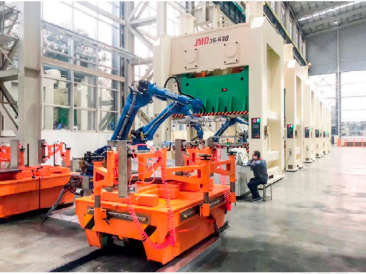
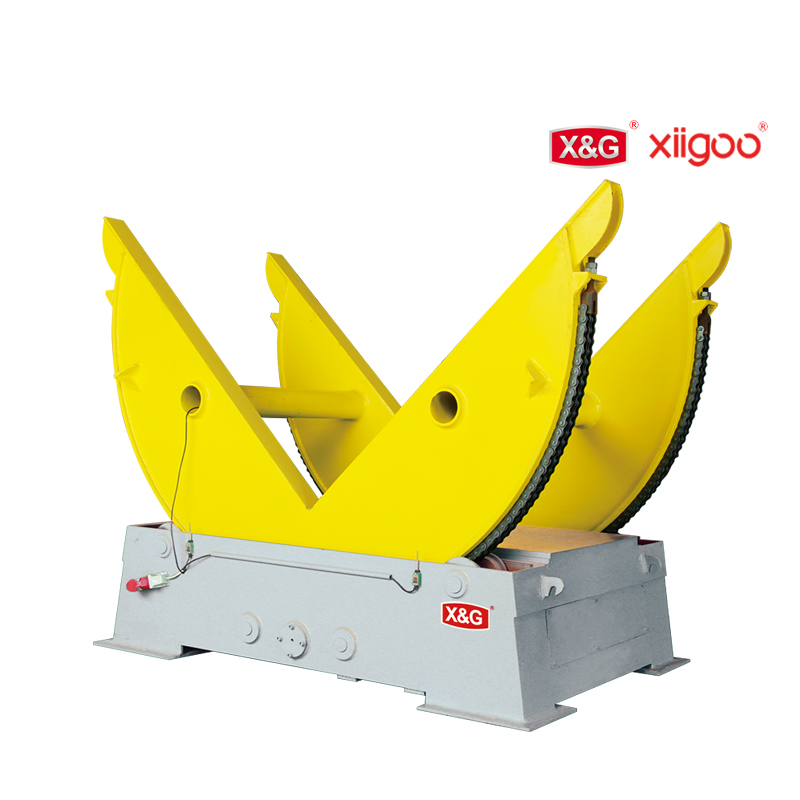
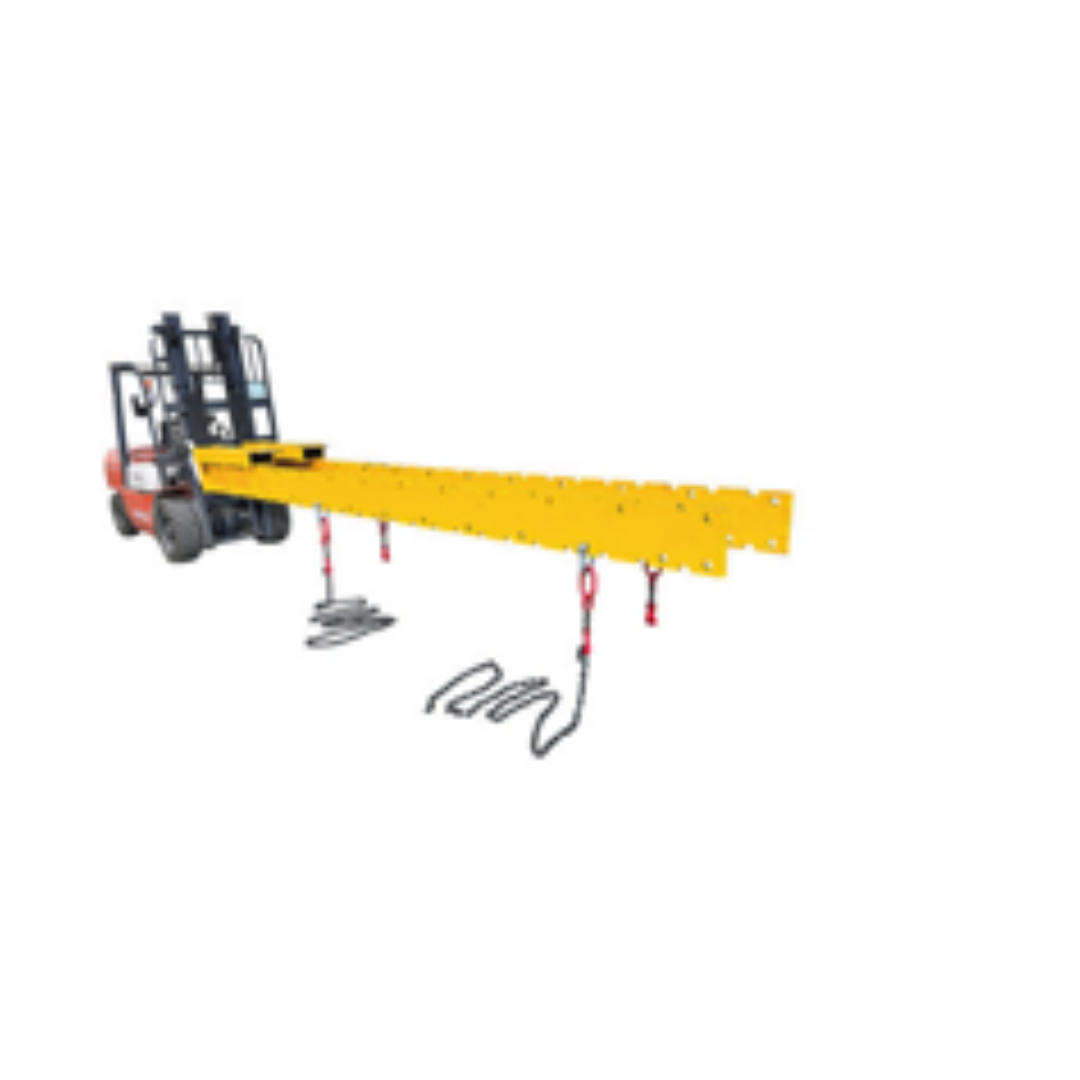
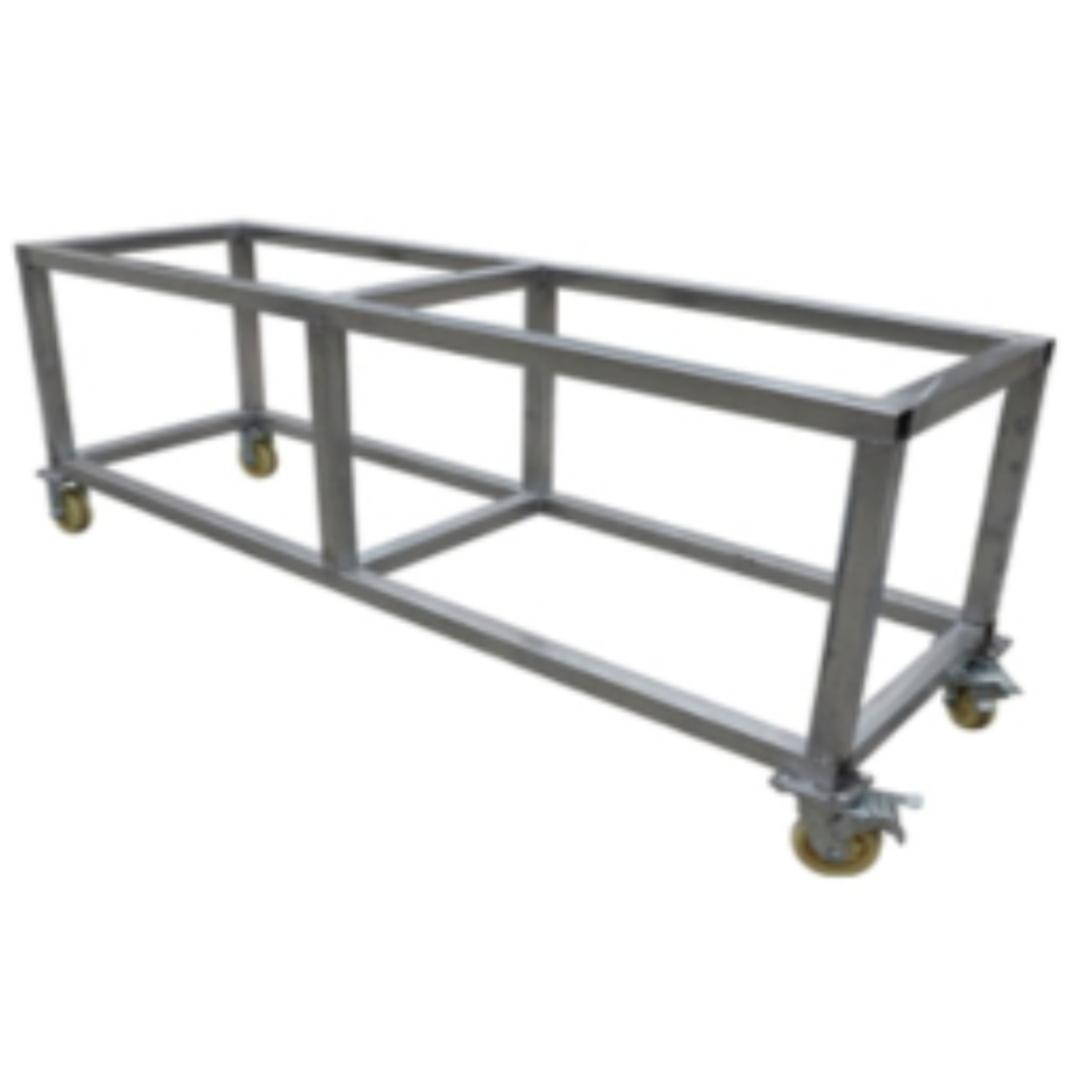
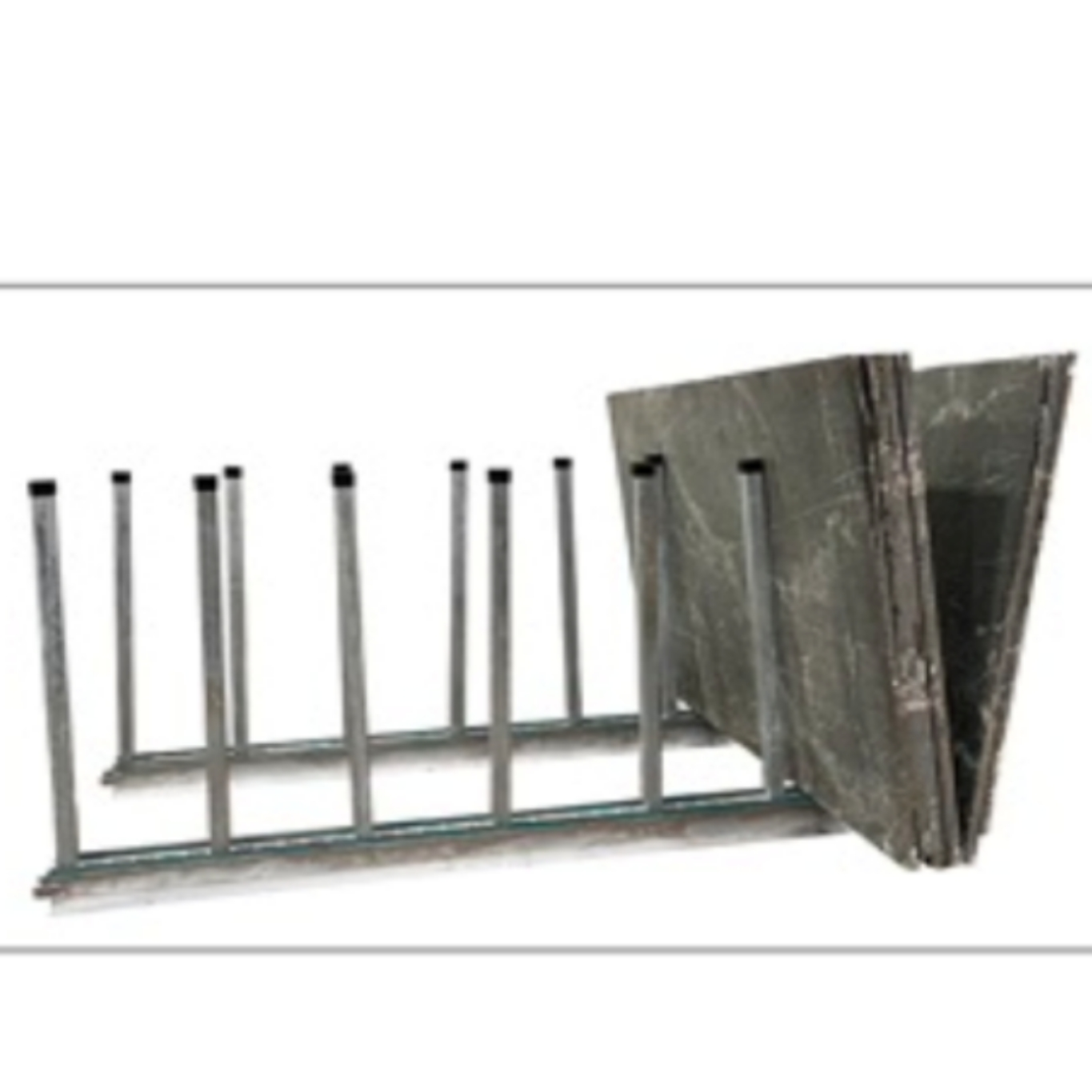
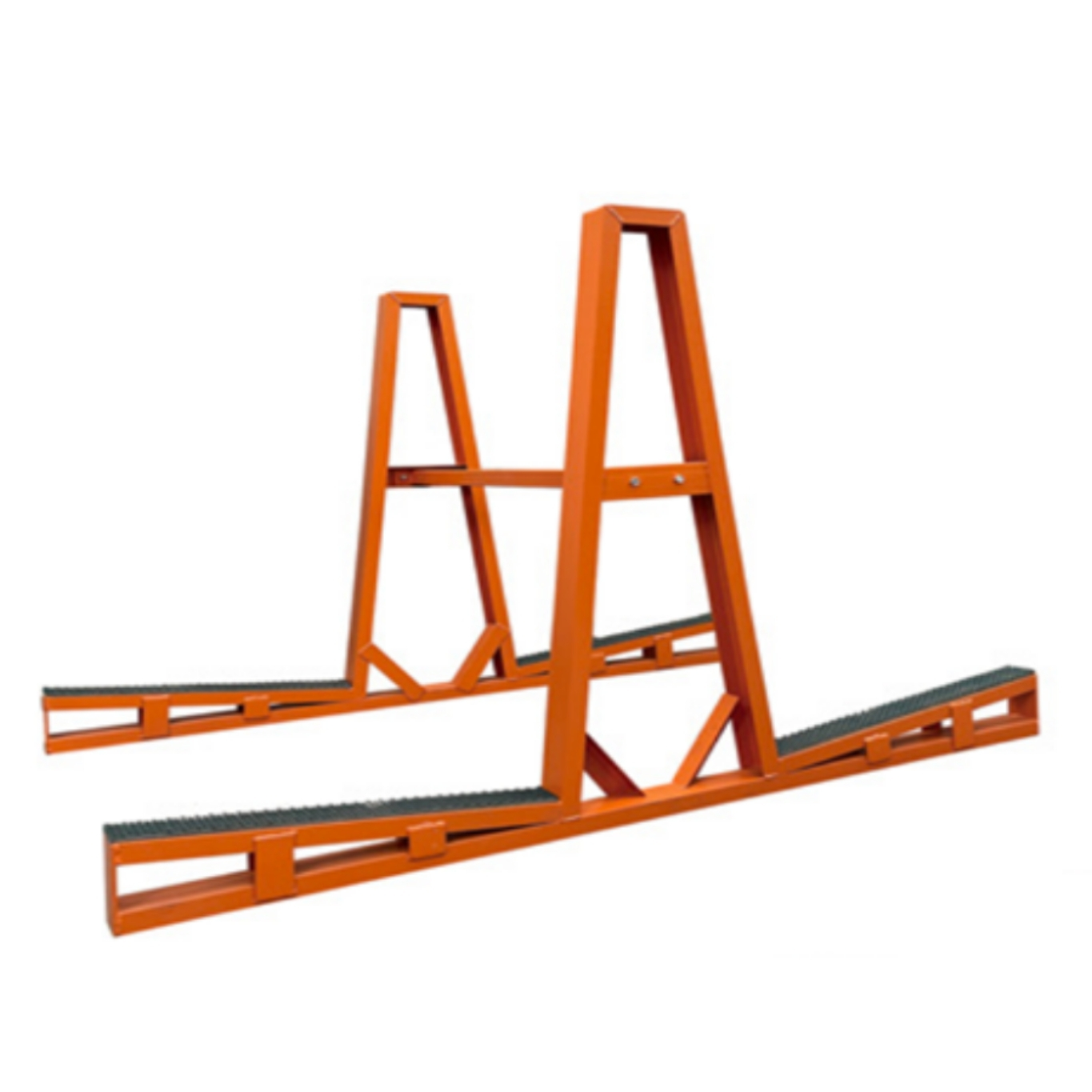
Where five axes is the clear answer, the supporting equipment deserves the same attention. A saw that shapes a 518 kg slab efficiently still depends on a stone turnover machine to present it, stone placement tools to position it, and a slab transport cart to move it between stations. Because the cutting machine is only as productive as the handling around it, a well-matched handling equipment lineup is what converts a five-axis purchase into a five-axis workflow. The wider reference for Stone Fabrication practice sits with the Natural Stone Institute, and the material handling benchmarks that frame slab weight and movement sit with MHI and the OSHA material handling guidance.
FAQ
What is a 5-axis bridge saw in simple terms?
A 5-axis bridge saw is a CNC stone saw whose cutting head is driven in five independent directions under one program: three linear axes (X, Y and Z) and two rotary axes (A for tilt, C for swivel). The three linear axes move the blade to a place, and the two rotary axes change the direction the blade points, which is what lets a single setup produce an angled, curved or undercut edge instead of only a square one.
Is a 5-axis bridge saw the same as a 4-axis machine with a tilting head?
No. A 4-axis machine adds one rotary axis, usually a tilt, so it can produce flat mitres and bevels but cannot also rotate the head around the vertical axis. A true 5-axis machine controls two rotary axes together with the three linear axes, so the blade can be aimed in almost any direction rather than only tilted back and forth around one line.
Does a shop need all five axes moving at the same time?
It depends on the geometry. A 3+2 machine indexes its two rotary axes into position, locks them and then cuts with the three linear axes moving, which is enough for flat bevels, mitres and drilled angles. Only true simultaneous five-axis interpolation, where all five axes move together along a toolpath, can follow a continuously changing surface such as a curved undercut edge or a sculpted sink bowl.
What kind of stone work actually requires five axes?
Work that needs the blade to approach the stone from a direction other than straight down. Typical examples are bevelled and mitred edges cut in one pass, curved or sculpted under-mount edges, shaped sink and drainboard cutouts, arch and column profiles, and any part that would otherwise be turned or re-fixtured more than once. Straight, square-edged countertops do not require five axes at all.
Do I need a 5-axis bridge saw if I mostly cut straight countertops?
Usually not. If roughly 90% of your production is straight, square-edged work, a 3-axis or 4-axis machine will cut it faster and for a lower machine price, because it has fewer moving axes to keep rigid and fewer to calibrate. Five axes is a capability purchase, and it pays back only when a meaningful share of your jobs genuinely cannot be cut without an angled approach.
Related Guides
- Stone Cutting Machine
- Stone Turnover Machine
- Stone Placement Tools
- Handling Equipment
- Battery Trackless Transfer Car
- 20T Battery Transfer Cart
- Slab Transport Cart
By James Li, Production Director, Xiigoo (Nanan Xingong Machinery) — 28 years in stone machinery.