
CNC Bridge Saw for Quartz Slabs: What to Look For
TL;DR
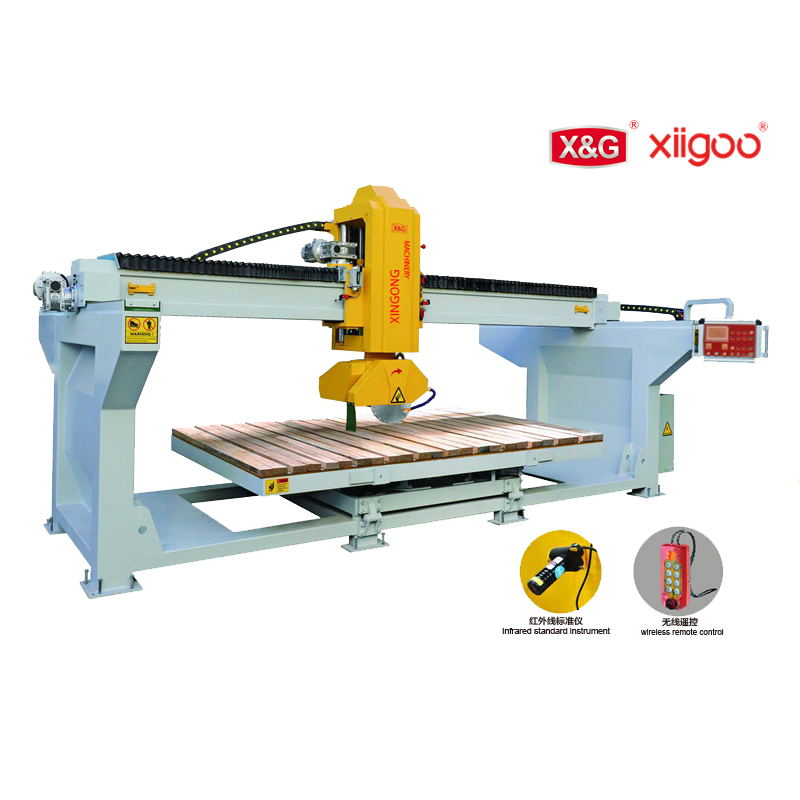
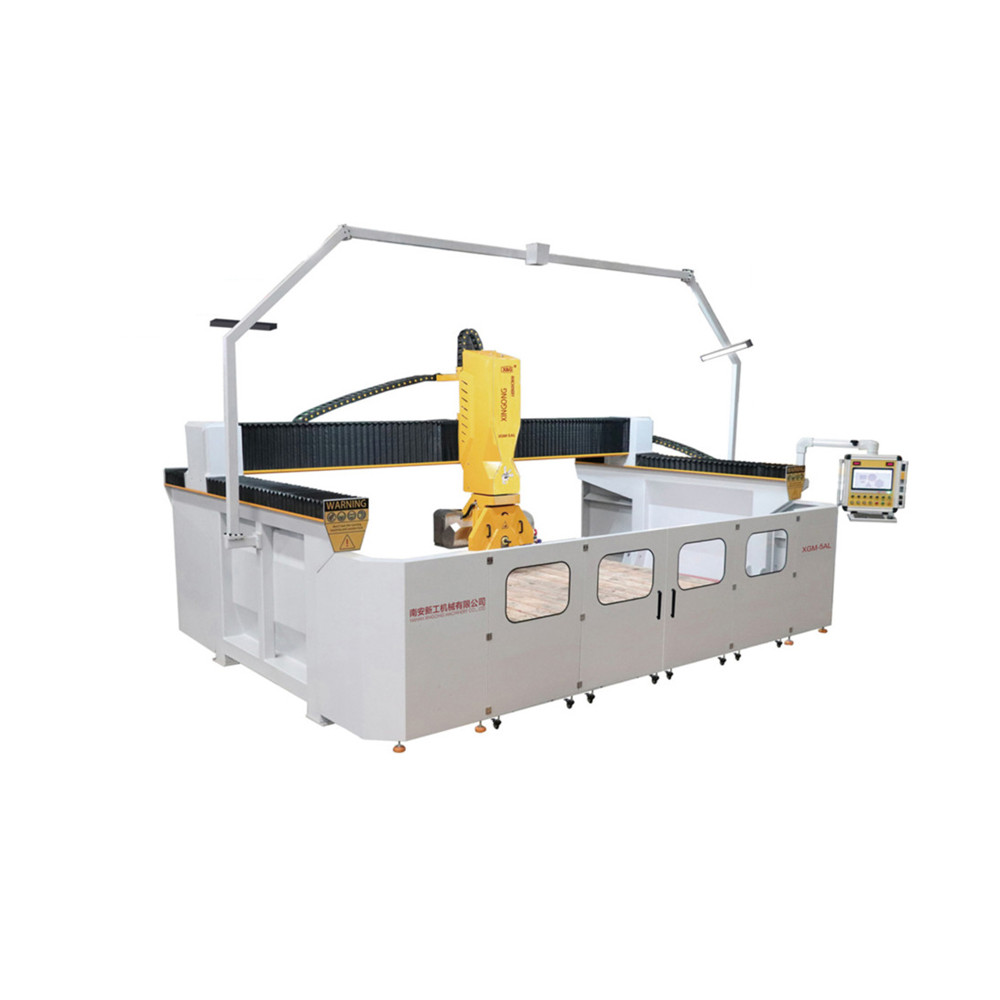
A Cnc Bridge Saw that cuts granite cleanly will not automatically be the right machine for quartz slabs, because engineered stone is 5–8% heavier and far more abrasive than granite. The three specs that decide the buy are vacuum hold-down force, spindle torque at low feed, and a blade rated for high-silica material. Before you sign, verify the suction table can hold a 3 cm quartz slab of about 549 kg with at least a 2× safety margin. Add wet cutting and captured dust extraction, because quartz is a high-respirable-silica material under OSHA rules.
Quick Answer
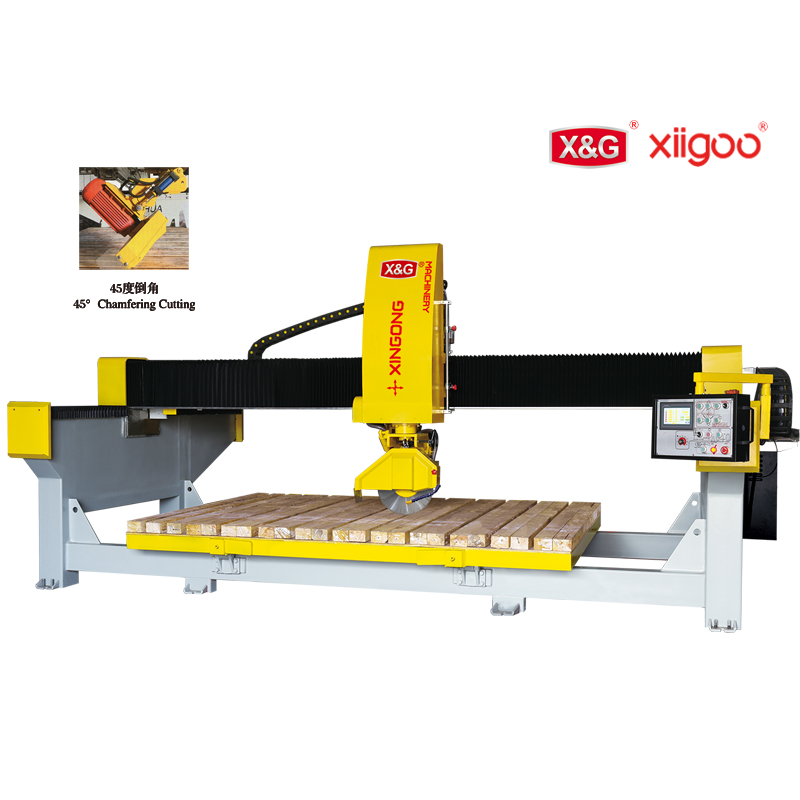
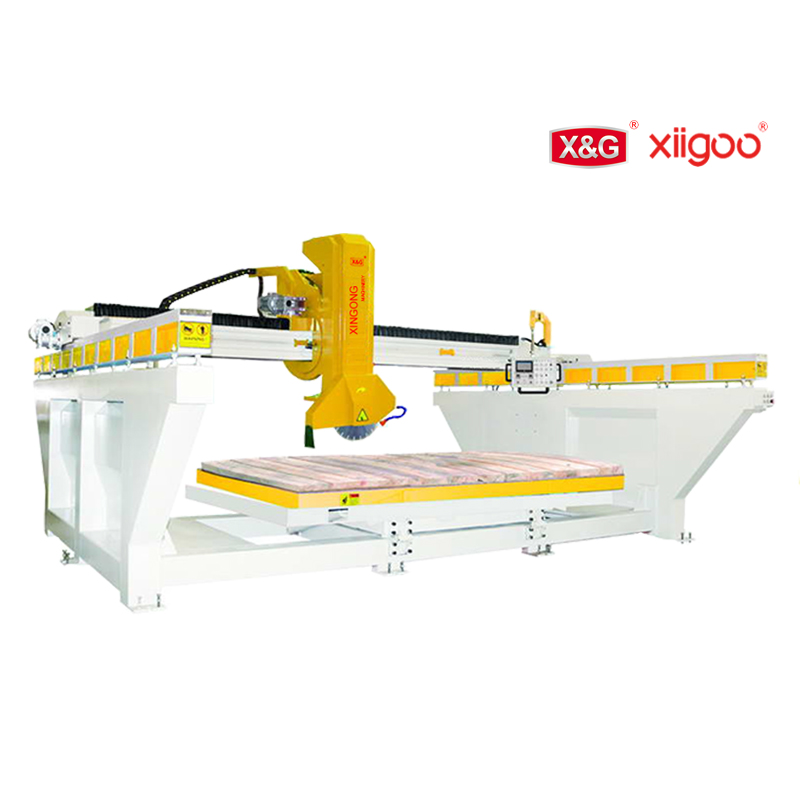
When you shop for a CNC bridge saw specifically for quartz slabs, look for four things first: a vacuum table rated to hold a 3 cm slab weighing roughly 549 kg (quartz is 5–8% heavier than the 518 kg granite equivalent), a spindle with enough low-end torque to cut at a slow 1.0 m/min feed without stalling, diamond tooling rated for engineered stone, and an enclosed wet-cutting system with dust capture. Quartz is about 90% silica by weight, so it wears blades faster and releases respirable crystalline silica — both change the spec sheet. If a seller quotes you a "granite saw" and only talks spindle speed, ask them to prove the hold-down math and the blade life on quartz before you commit.
Why Quartz Slabs Rewrite the "Any Saw Will Do" Rule
Most bridge-saw buyers start from granite experience, and that is the first mistake with quartz. A 3 cm granite slab at 3.2 × 2.0 m weighs about 518 kg because granite sits at 2,700 kg/m³. Quartz is engineered stone with resin and crushed rock, and it runs 5–8% heavier — the same 3 cm, 3.2 × 2.0 m quartz slab lands at about 544–560 kg. Because the slab is heavier and slicker, it needs a stronger vacuum grip and a more careful loading path than granite.
The second difference is abrasiveness. Quartz is roughly 90% silica, so it dulls diamond segments faster than granite does. That shows up as shorter blade life and higher cost per slab, not as a dramatic failure — which is why buyers miss it until the monthly tooling bill arrives. A saw tuned for marble (cut at 2.2 m/min) will stall or chatter on quartz if its spindle cannot hold torque at the slower 1.0 m/min quartz feed.
The third difference is health and compliance. Cutting quartz releases respirable crystalline silica, and OSHA sets a permissible exposure limit of 50 µg/m³ over an 8-hour shift. A quartz-ready saw is therefore built around wet cutting and dust capture, not as an optional extra. These three gaps — weight, abrasiveness, silica — are why "it cut my granite fine" is not an answer to "will it cut my quartz."
The Four Specs That Carry the Most Weight for Quartz
Read the spec sheet in this order, because the first two are the ones granite-focused quotes hide.
- Vacuum hold-down capacity. It must hold the heaviest slab you run, not the lightest. For a 3 cm quartz slab at ~549 kg, the table should hold at least 1,100 kgf (see the math below). If the seller quotes "number of cups" without a force rating, that is a red flag.
- Spindle power and low-end torque. Quartz cuts slower than granite. Look for a spindle that sustains torque at 1.0–1.2 m/min feed rather than one that only shines at 2+ m/min on soft stone.
- Blade and segment rating for engineered stone. Ask for the blade life figure on quartz specifically. A segment tuned for granite will wear 30–40% faster on quartz (illustrative).
- Enclosed wet cutting with captured slurry. This protects the operator from silica and keeps the shop floor safe. Pair it with slab placement tools that seat the slab without dragging it across the table.
Hold-Down Grip: The Number Most Quartz Buyers Forget
You can check the vacuum table on paper before you ever see the machine. A 3 cm quartz slab (3.2 × 2.0 m) masses about 549 kg. Its weight force is:
Force = mass × g = 549 kg × 9.81 m/s² ≈ 5,386 N
Apply a 2.0 safety factor (slabs are slick, and a shift in cut ruins the piece):
Required suction ≥ 5,386 N × 2.0 ≈ 10,772 N ≈ 1,100 kgf
Now convert that to table area. If the vacuum pump holds a pressure differential of 60 kPa (illustrative), the sealed suction area must be:
Area = 10,772 N ÷ 60,000 Pa ≈ 0.18 m²
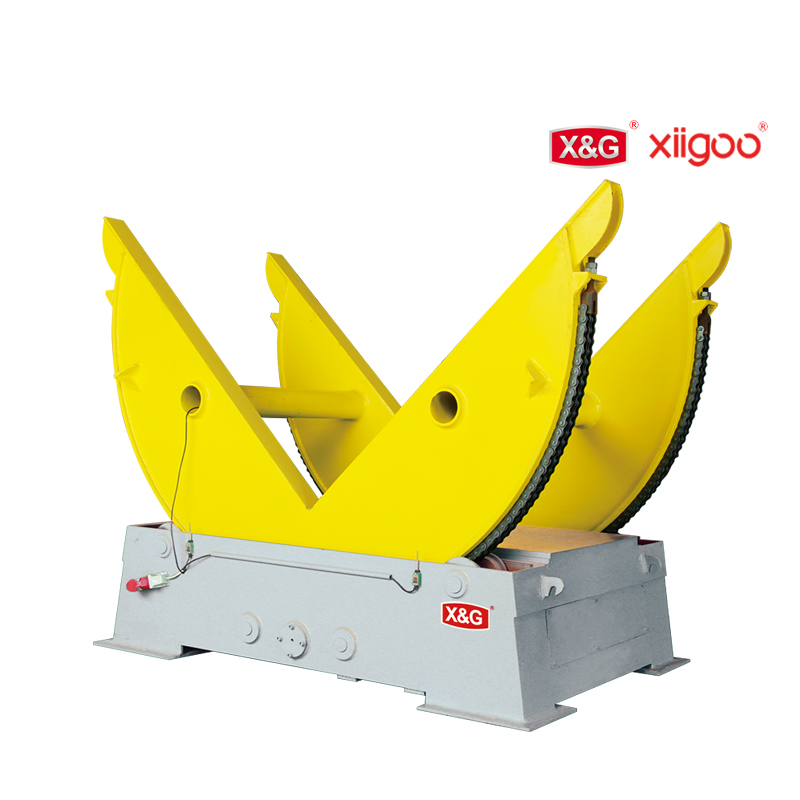
That is the minimum sealed cup area the table must deliver. If a quote lists more cups but a smaller total sealed area, it will not hold a wet 549 kg quartz slab reliably. For loading those heavy slabs onto the table safely, many shops add a stone turnover machine so one operator can flip and seat the slab without manual strain.
Blade Life on Quartz vs Granite — and What It Costs You
Because quartz is abrasive, blade life drops compared with granite. Using illustrative figures — 800 m of cut per blade on granite versus 500 m on quartz — and a blade price of $220, a single countertop slab needs about 12 m of cutting:
- Quartz: 12 m ÷ 500 m × $220 ≈ $5.28 per slab
- Granite: 12 m ÷ 800 m × $220 ≈ $3.30 per slab
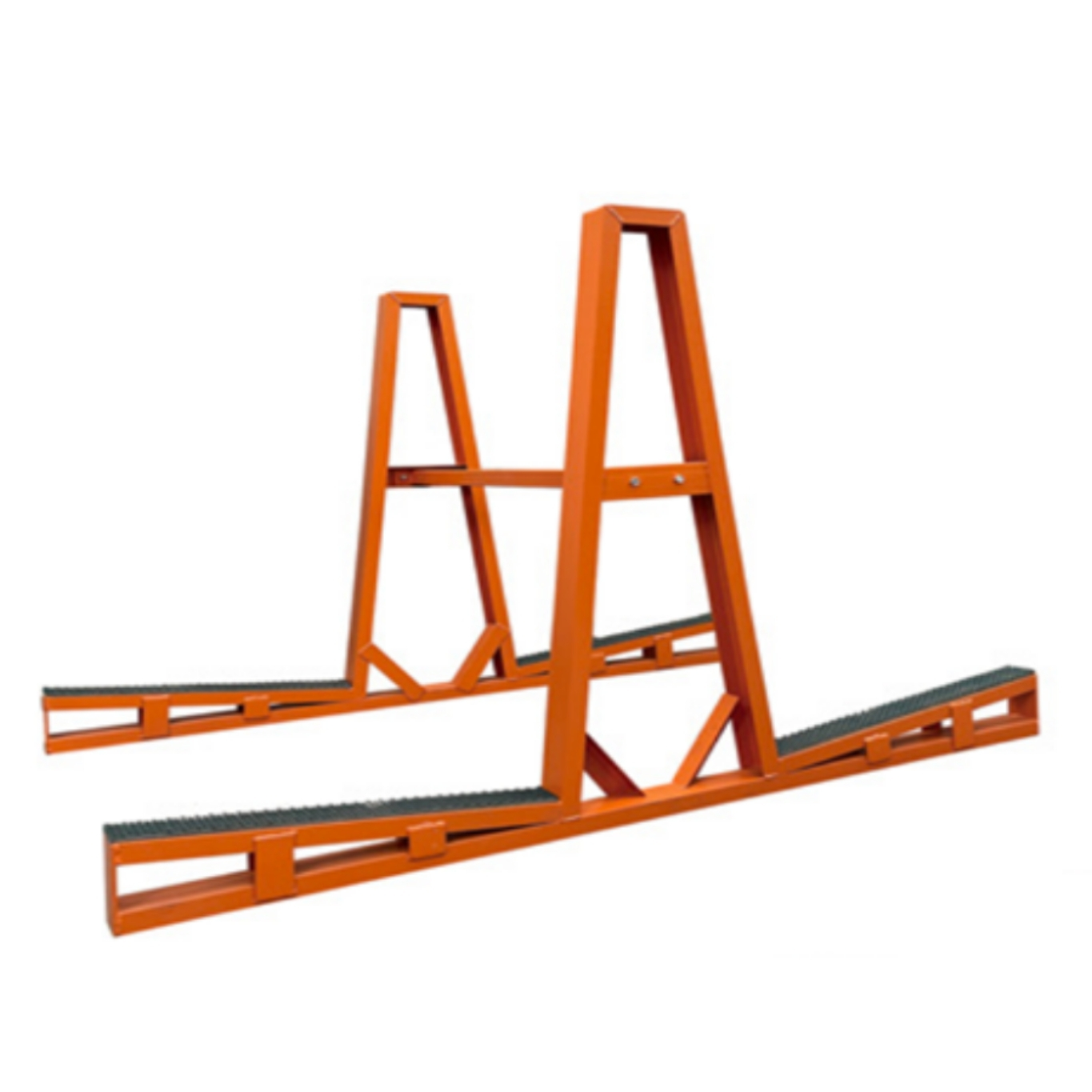
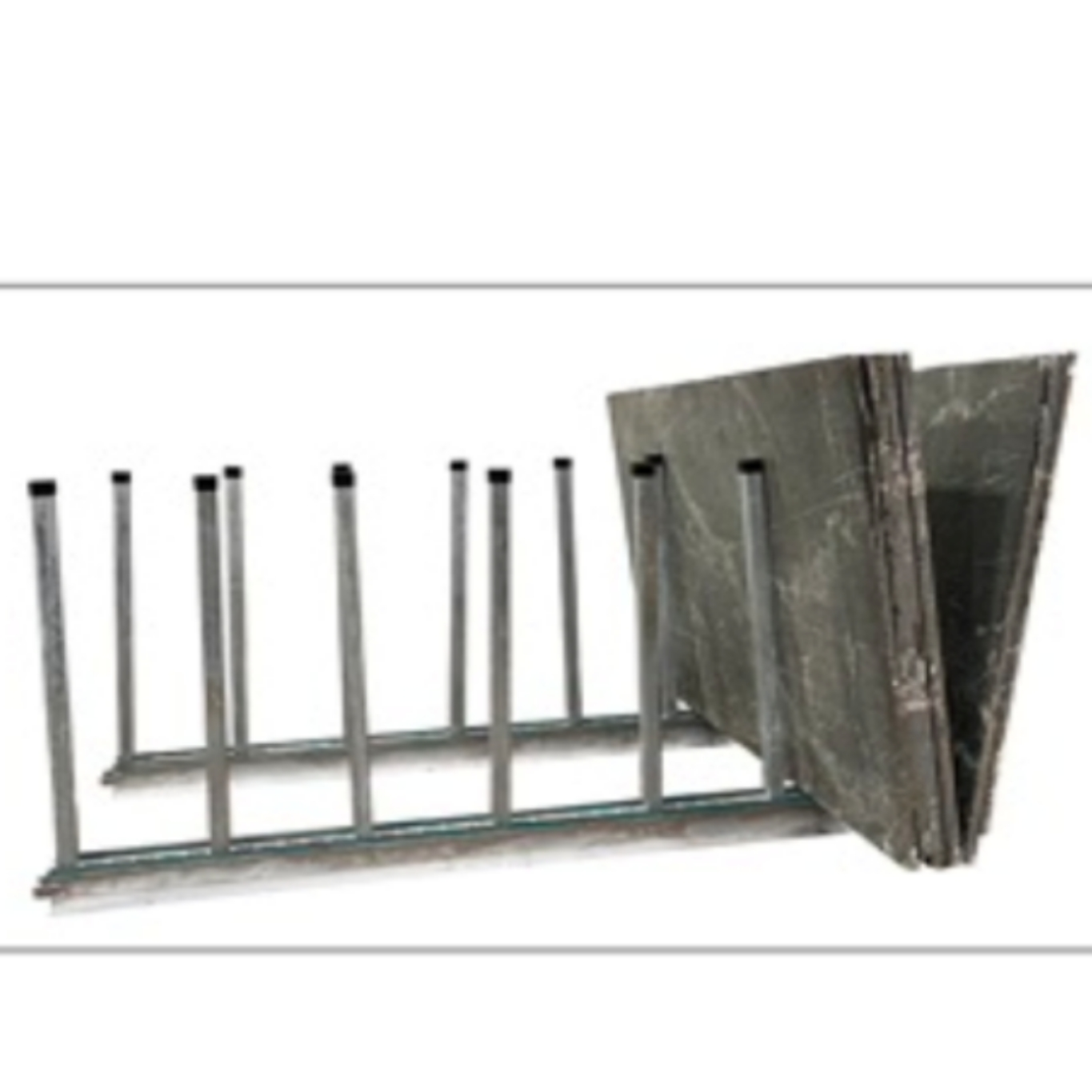
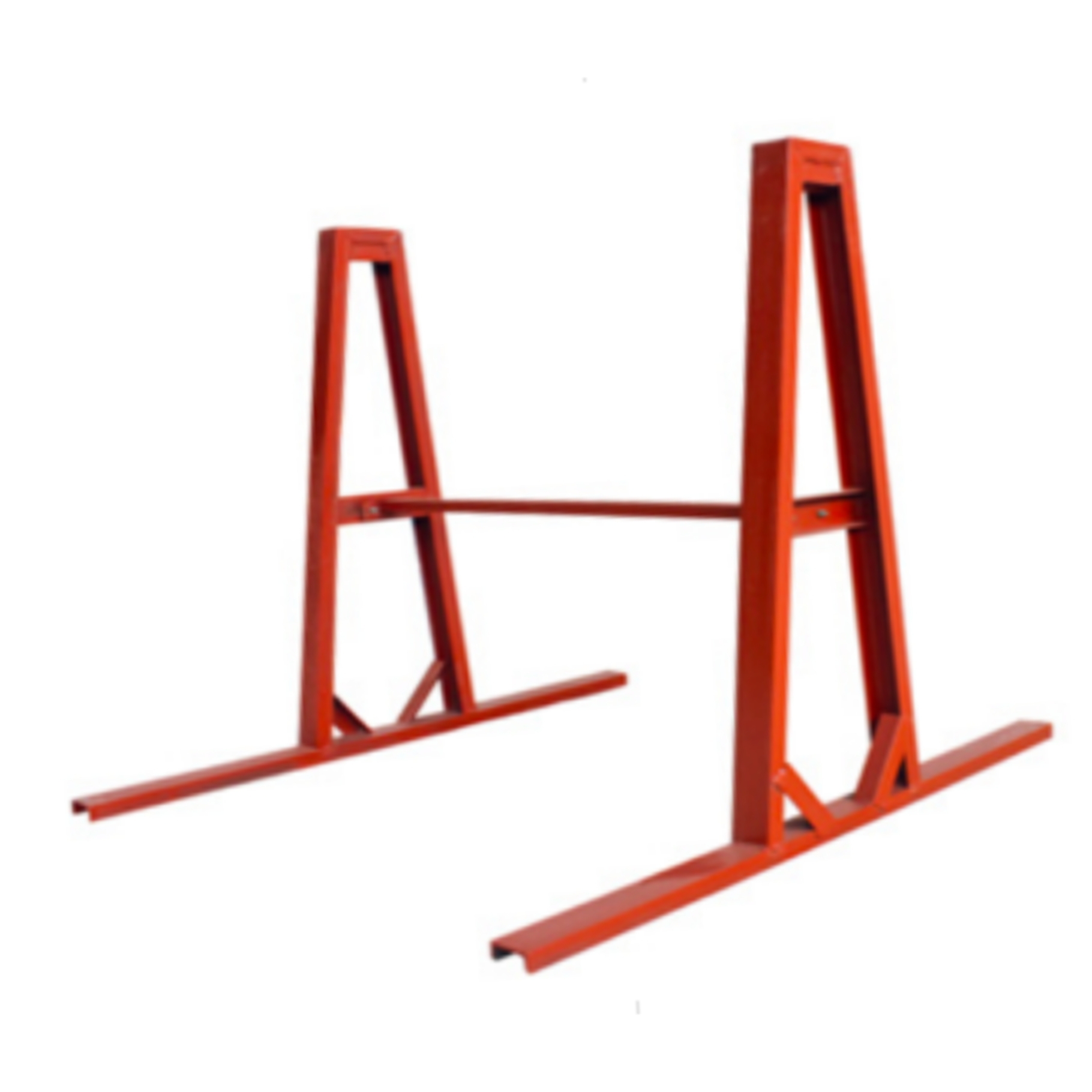
That ~$2/slab gap scales fast: at 15 slabs/day × 250 days = 3,750 slabs/year, quartz tooling runs about $7,500 more per year than granite on the same machine (illustrative, blade-price dependent). The takeaway for buying is simple — ask for the quartz blade-life number in writing, because it changes your total cost of ownership even when the machine price looks identical to a granite model. Move cut slabs off the line with a slab transport cart so you are not paying operators to carry 549 kg by hand, then store finished panels upright on steel slab storage racks or sturdy metal A-frames to protect the polished edge.
A Quartz-Ready Saw Versus a General-Purpose Saw
| Checkpoint | General granite/marble saw | Quartz-ready CNC bridge saw |
|---|---|---|
| Hold-down rating | ~600–800 kgf | ≥ 1,100 kgf (2× a 549 kg quartz slab) |
| Spindle behaviour at 1.0 m/min | May stall or chatter | Sustains torque, clean edge |
| Blade segments | Tuned for granite | Rated for high-silica engineered stone |
| Dust control | Open wet cut, shop extraction | Enclosed capture, silica-compliant |
| Mitre / waterfall capability | Often add-on | Standard for seamless quartz edges |
| Loading aid | Manual or crane | Pairs with turnover + transfer gear |
Notice the quartz-ready column is not "bigger everything" — it is specifically stronger grip, slower stable feed, and silica control. That is why a more expensive spindle alone will not save you if the vacuum table is under-rated.
Five Things to Verify Before You Sign the Quote
- Get the hold-down force in kgf, not just cup count. Run the 0.18 m² / 1,100 kgf check above against their pump spec.
- Ask for quartz blade life in metres, not "it cuts quartz fine." A number lets you build the $/slab tooling cost.
- Confirm the spindle torque curve at 1.0–1.2 m/min. Stalling here is the most common quartz complaint we hear from shops that bought a marble-tuned head.
- Verify silica control meets OSHA's 50 µg/m³ PEL. Wet cutting plus captured slurry should be in the base spec, not a paid upgrade. See our handling equipment range for safe slab movement around the saw.
- Check mitre and edge-polish integration. Quartz countertops sell on seamless edges, so a saw without clean mitre capability limits the jobs you can take.
When a Standard Saw Is Enough for Your Quartz Work
You do not need to over-spec if your quartz volume is low. If you cut fewer than 5 quartz slabs per week, run mostly straight 90° cuts, and already own a granite saw with a rated ≥ 800 kgf table, you can likely add a quartz-rated blade and a dust hood rather than buy a dedicated machine. The math above still applies — you are just confirming your existing grip clears the 1,100 kgf target with margin. For shops moving slabs between saw and storage, a battery trackless transfer car, a 20 t battery transfer cart, a rail transport cart, or a heavy-duty slab transfer vehicle handles the 549 kg quartz load without forklift traffic through the cutting area. A low-voltage rail-power transfer car is the lower-cost option where a fixed rail path already exists. Over-spec only when quartz is a growing share of your orders and edge quality is part of your pitch.
FAQ
Can a standard granite bridge saw cut quartz slabs?
Yes, if the vacuum table holds a 3 cm quartz slab of about 549 kg with a 2× safety margin (≥ 1,100 kgf) and the spindle sustains torque at a slow 1.0 m/min feed. You also need a quartz-rated blade and silica-compliant dust capture. Verify those four points rather than assuming "granite saw = quartz saw."
Why does quartz wear blades faster than granite?
Quartz is roughly 90% silica, which is harder and more abrasive than the minerals in granite. Illustrative blade life drops from about 800 m per blade on granite to about 500 m on quartz — roughly 30–40% shorter. That raises tooling cost per slab even when the machine price is identical.
What spindle power do I need for quartz?
Power matters less than low-end torque. Quartz cuts at about 1.0–1.2 m/min, so look for a spindle that holds torque at that feed without stalling — commonly an 11–15 kW class head in mid-size fabrication saws (illustrative; confirm against the maker's torque curve).
Do I need special dust extraction for quartz?
Yes. Engineered stone is a high-respirable-silica material, and OSHA's permissible exposure limit is 50 µg/m³ over 8 hours. A quartz-ready saw uses wet cutting plus captured slurry as standard. Open dry or weakly extracted cutting is not compliant for quartz volume work.
How do I verify the vacuum table holds a 3 cm quartz slab?
Use the hold-down force check: 549 kg × 9.81 = 5,386 N, × 2.0 safety = 10,772 N (≈ 1,100 kgf). Divide that by the pump's pressure differential (e.g. 60 kPa) to get the required sealed cup area — about 0.18 m². If the quoted table meets or beats that, the grip is sound.
Free quartz-saw fit check. Send us your typical slab size, weekly quartz volume, and the spec sheet you are comparing. Our team will run the hold-down force and blade-cost math for your exact numbers and flag any gap before you buy. Start with our stone cutting machine range.