
Bridge Saw vs Waterjet: Which Stone Cutting Technology Wins
TL;DR
A Bridge Saw wins for the 80–90% of stone work that is straight, 90° cutting of granite, marble, and quartz — it is faster per meter and runs at roughly half the operating cost.
A waterjet wins when you must cut thick slabs, glass, metal-backed composites, or heat-sensitive stone without edge chipping or a heat-affected zone.
Neither machine "wins" outright; the right pick follows your cutting profile, not which one looks more advanced.
Most fabricators keep a bridge saw for daily volume and add a waterjet only for the jobs the saw cannot touch.
Quick Answer
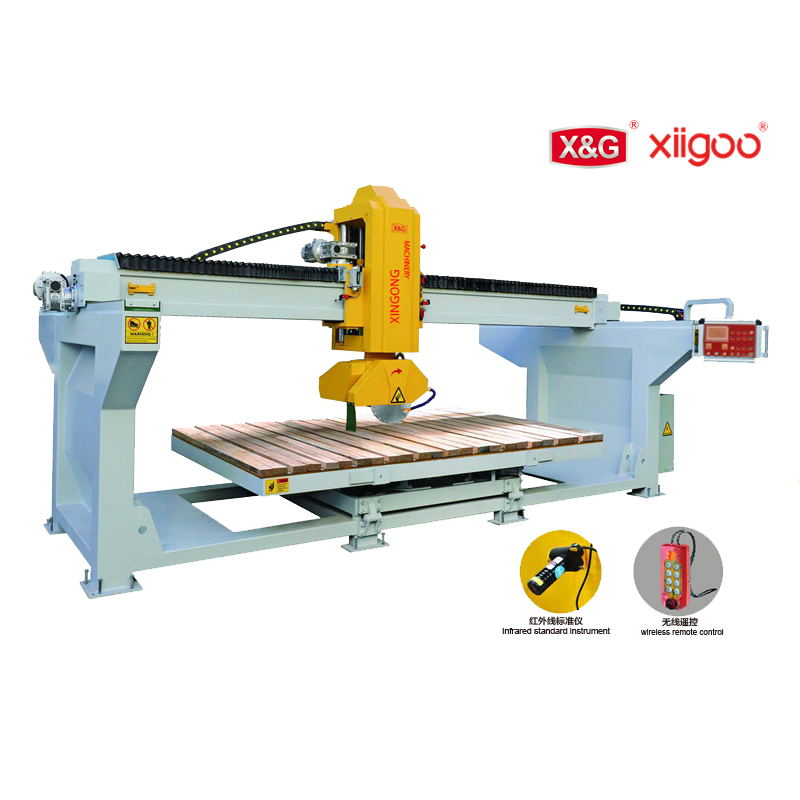
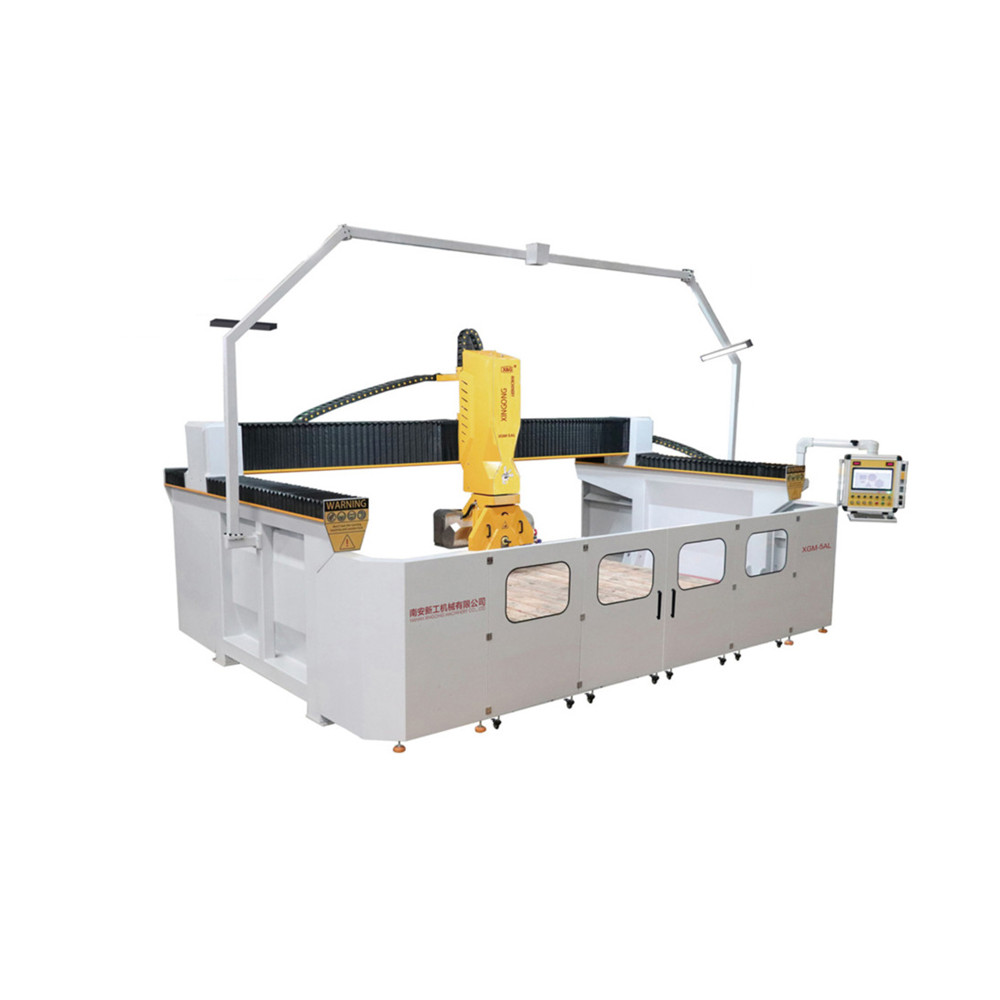
If your shop cuts mostly rectangular countertops, tiles, and straight miters from granite, marble, or quartz, a bridge saw is the better buy: it runs at 1.0–2.2 m/min on straight passes, leaves a 1–3 mm kerf, and costs roughly $0.30 per linear meter to operate (blade plus electricity, illustrative). A waterjet cuts by eroding stone with 4,000–6,000 bar water and garnet abrasive; it handles 30–100 mm slabs, mixed materials, and intricate shapes with almost no chipping, but it runs closer to $0.60 per linear meter because of abrasive, nozzle, and pump-power consumption. The honest answer is that neither wins outright — the bridge saw wins on speed and cost for mainstream stone, and the waterjet wins on capability for thick, brittle, or composite work. Because edge chipping and heat cracks are the two failure modes that sink stone jobs, the right call depends on which of those you face most. Read on for the side-by-side numbers and a hand calculation you can do on paper.
The Physics Difference That Drives Every Other Choice
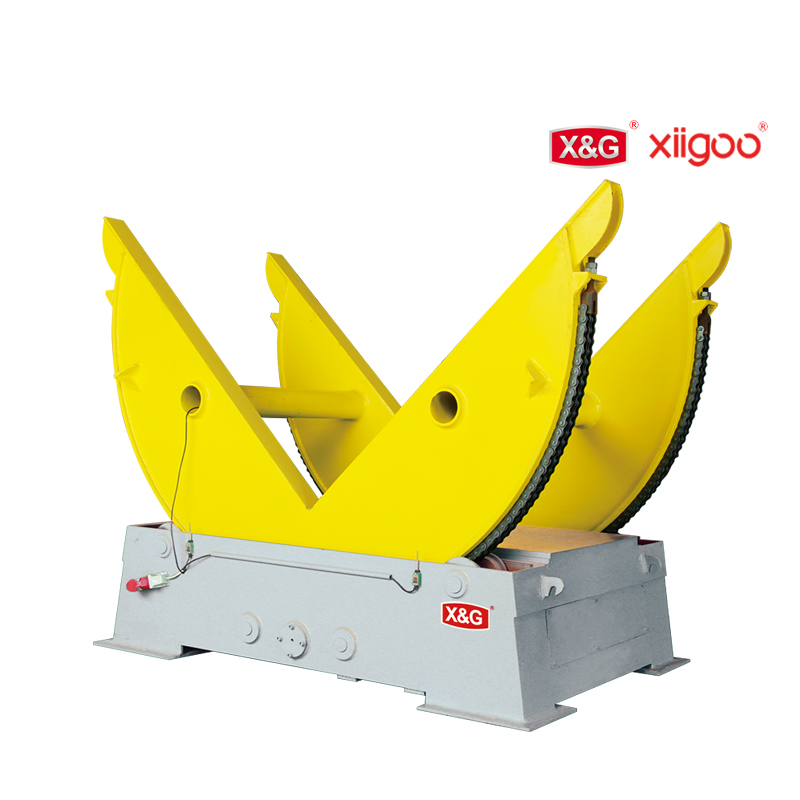
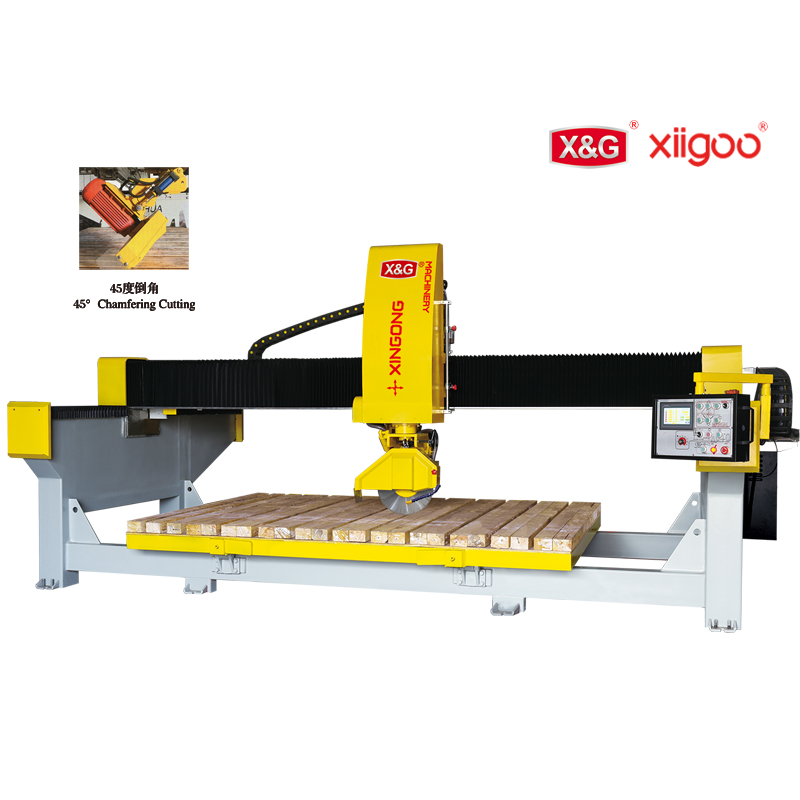
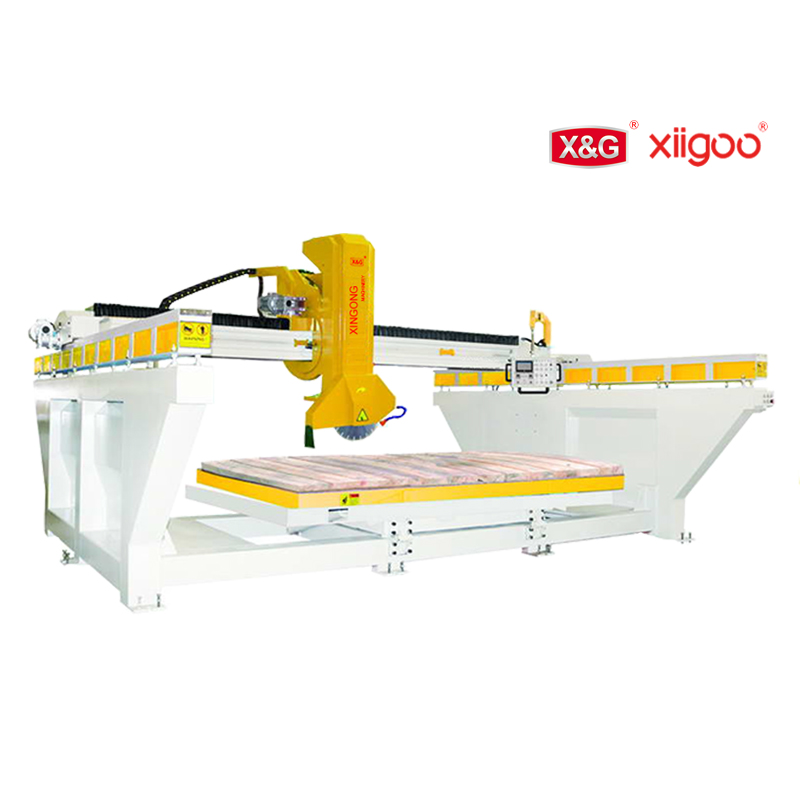
A bridge saw is a mechanical abrasive cutter. A diamond-segmented disc, typically 350–625 mm in diameter, is forced through the slab while water cools the edge and flushes the slurry. Because the cut is physical friction, a coolant flow of 15–40 L/min is mandatory — starve it and the blade and stone overheat within seconds. A stone turnover machine matters here because flipping a 518 kg, 3 cm granite slab (3.2×2.0 m) to cut both faces by hand is exactly the slow, risky step a saw cell is built to remove.
A waterjet is an erosion cutter. A pump pushes water to 4,000–6,000 bar through a 0.2–1.0 mm sapphire or diamond orifice, then mixes in garnet abrasive at about 0.15–0.40 kg per meter of cut. Because there is no rotating tool touching the stone, there is no heat-affected zone and no mechanical chipping force. That single physical fact explains almost every "waterjet wins" scenario below.
What Each Method Does to Your Slab
Edge quality: a bridge saw leaves a clean edge on granite and marble but can chip the brittle edge of quartz and porcelain at the exit, especially on thin or honed surfaces. A waterjet leaves a near-polished edge with almost zero chipping, which is why shops that reject a lot of quartz on edge breaks lean waterjet.
Kerf and waste: the bridge saw removes 1–3 mm of material per pass; the waterjet removes 0.5–1.5 mm. On a 30-slab kitchen job the narrower kerf barely moves the material bill, but on stored slab inventory it is a real, if small, saving.
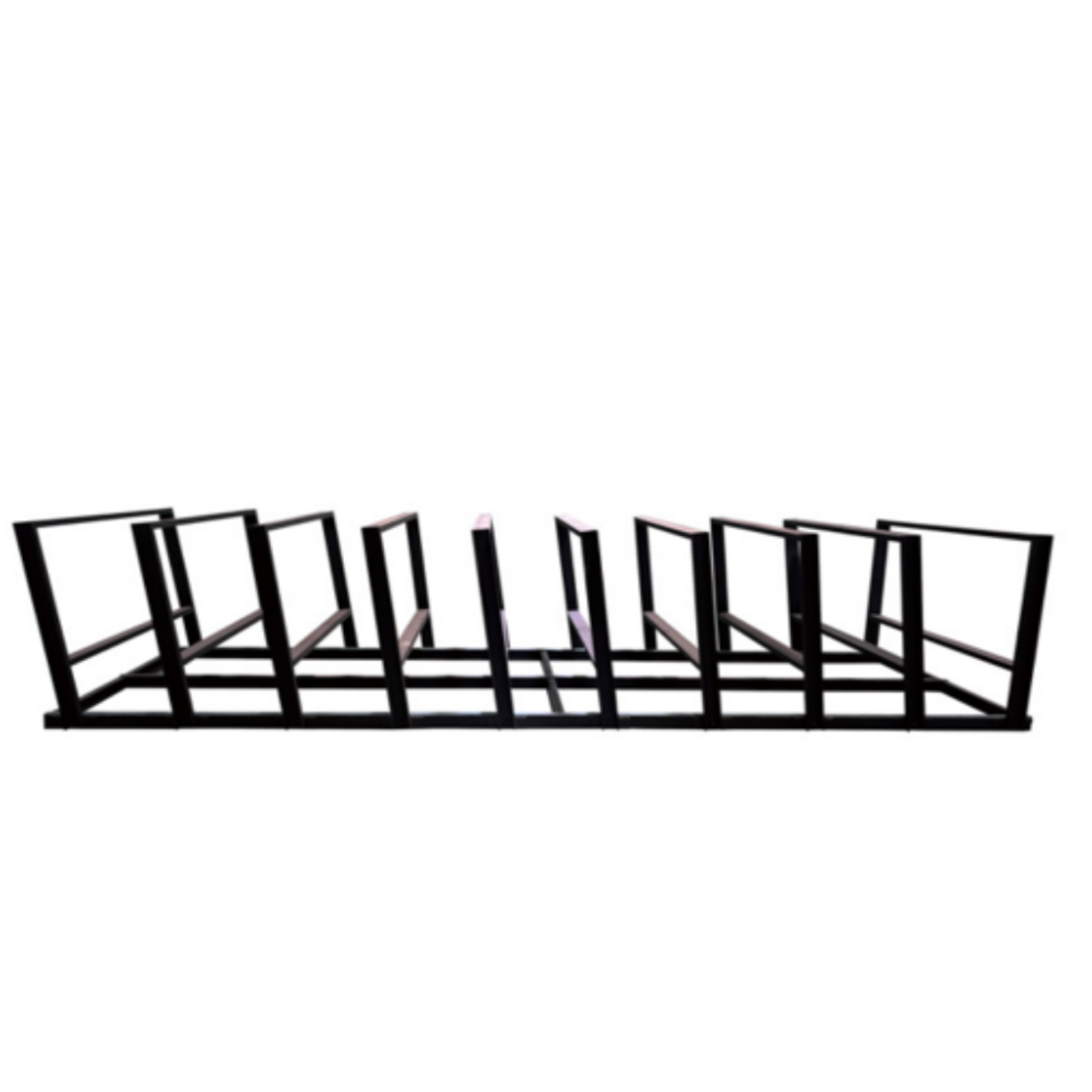
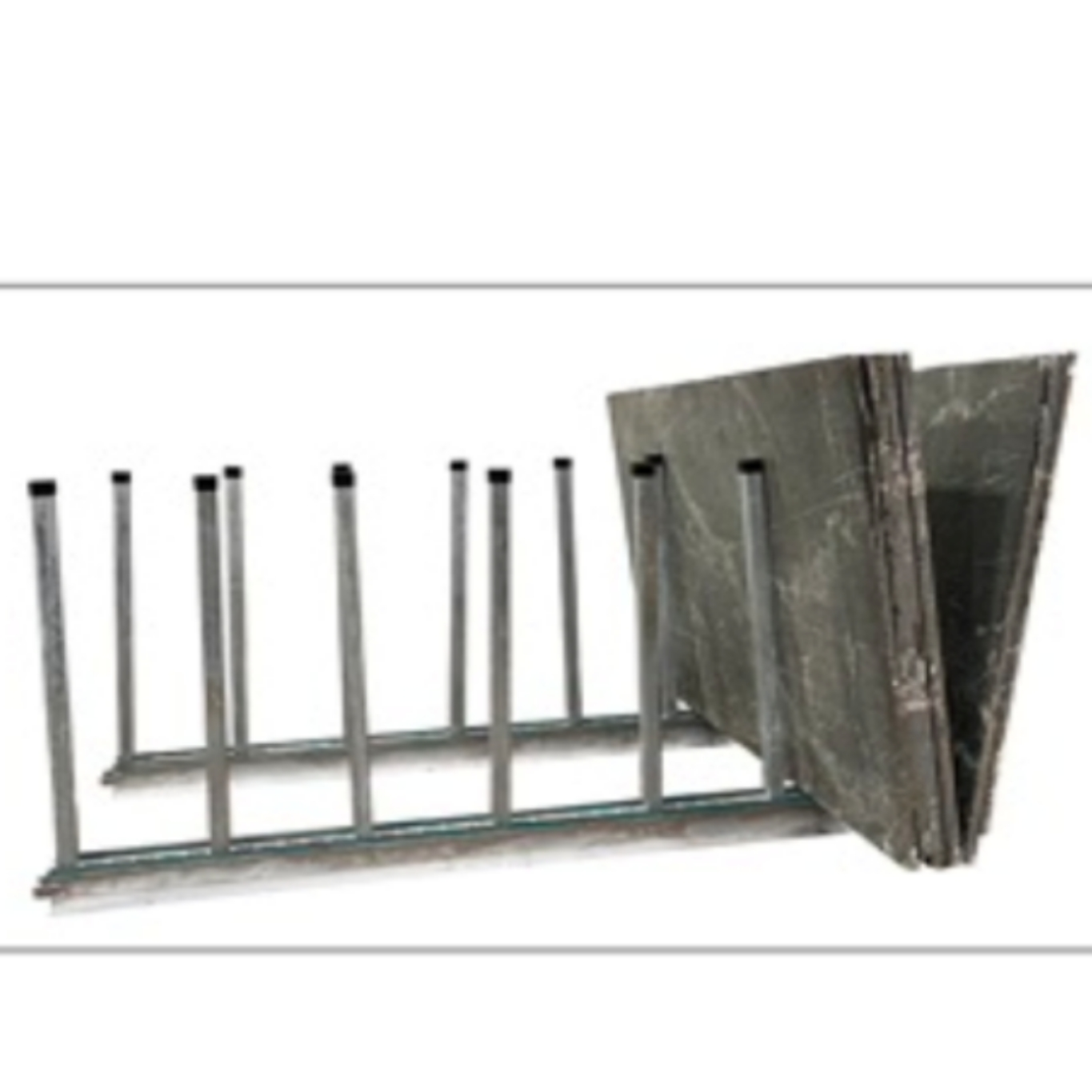
Heat and dust: the waterjet produces no airborne crystalline silica because the cut happens underwater and the slurry traps the fines, sitting well below the OSHA permissible exposure limit of 50 µg/m³ when contained. A bridge saw still creates silica-laden slurry that must be collected and settled, not vented — it is cleaner than a dry grinder, not dust-free. The right slab-handling equipment keeps both cuts off workers' backs and out of manual lifts.
Bridge Saw vs Waterjet — An Operating Scorecard
The table below puts the two on the same rows so you can read the trade-offs at a glance. Figures marked illustrative should be confirmed against the specific model's test report.
| Attribute | Bridge Saw | Waterjet |
|---|---|---|
| Cutting method | Diamond Blade, mechanical | HP water + garnet abrasive, erosion |
| Typical kerf | 1–3 mm | 0.5–1.5 mm |
| Straight-cut speed | 1.0–2.2 m/min | 0.3–0.6 m/min |
| Edge chipping on brittle stone | Possible at exit | Near zero |
| Material range | Granite, marble, quartz | Stone, glass, steel, composites |
| Heat-affected zone | Local, if coolant fails | None |
| Operating cost per meter (illustrative) | ~$0.30/m | ~$0.60/m |
| Capital cost (illustrative) | Lower | Typically $60k–$150k higher |
| Best fit | High-volume straight stone | Thick, mixed, or intricate work |
The Cost per Cut — A Hand-Calc You Can Do on Paper
Because the deciding factor is usually money, here is a per-linear-meter operating model you can run without any software. All numbers are illustrative and use our standard 20 mm granite reference.
Bridge saw, per linear meter
Blade: $220 ÷ 800 m life = $0.275/m.
Electricity: 15 kW × (1 m ÷ 1.5 m/min = 0.011 h) × $0.12/kWh = $0.020/m.
Total ≈ $0.30 per meter.
Waterjet, per linear meter
Abrasive: $0.40/kg × 0.25 kg/m = $0.10/m.
Nozzle: $1,500 ÷ 150 h life; at 0.5 m/min, 1 m = 0.033 h → $0.333/m.
Pump power: 37 kW × 0.033 h × $0.12 = $0.148/m; water + catchment ~$0.05/m.
Total ≈ $0.63 per meter — about 2.1× the saw.
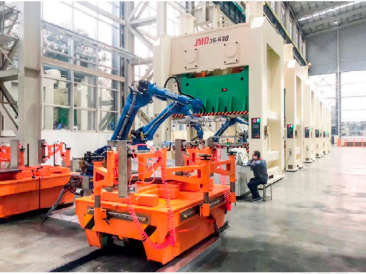
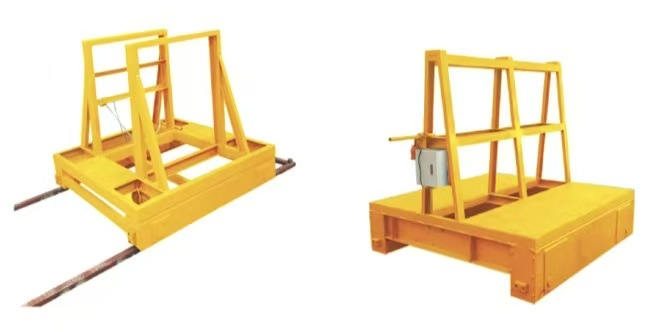
Now the break-even question: if a waterjet costs roughly $80,000 more in capital than a comparable bridge saw, the saw's $0.33/m saving must cover that gap. $80,000 ÷ $0.33/m ≈ 242,000 m of straight cutting. At a busy shop running 3,000 m/month (36,000 m/year) that is about 6.7 years of pure straight work before the cheaper saw "pays back" the waterjet's premium. For mainstream stone, the bridge saw wins decisively on economics. Moving those slabs between saw, waterjet, and storage is where a slab transport cart or a battery trackless transfer car earns its keep — it keeps the cutting stations fed without forklift waits.
Five Questions That Settle the Decision
- Is 80%+ of your work straight 90° cuts of stone under 30 mm? If yes, a bridge saw is the default and the waterjet is a luxury you rarely use.
- Do you regularly cut slabs thicker than 30 mm, or glass, steel, and stone–metal composites? If yes, only a waterjet (or a saw with a specialist blade) reaches them — the bridge saw cannot.
- Is edge chipping on brittle quartz or porcelain a top reject cause? If yes, the waterjet's near-zero chipping protects margin better than a sharper saw blade.
- What is your monthly cutting length? Above roughly 2,500–3,000 m/month of straight stone, the saw's per-meter saving compounds fast; below that, capability matters more than cost.
- Do you need sink cutouts, curves, or 3D profiles beyond a 5-axis saw's reach? If yes, the waterjet is the only one of the two that delivers them.
When the Waterjet Is the Right Call
There are jobs a bridge saw simply cannot win. Thick stone (30–100 mm) slows a blade and risks heat cracks; a heavy-duty transfer vehicle is often needed just to present those slabs safely. Mixed materials — stone laminated to steel, glass, or aluminium — cut cleanly only by erosion. Heat-sensitive or resin-bound materials distort under a blade's friction heat, so the waterjet's cold cut is the only safe route. And when a customer wants intricate curves or a sink cutout with no chipping, the waterjet is the capability differentiator, not a cost play. If your quoting shows more than 15–20% of jobs falling in these buckets, the waterjet stops being a luxury and becomes the machine that wins the account.
Why Most Shops End Up Running Both
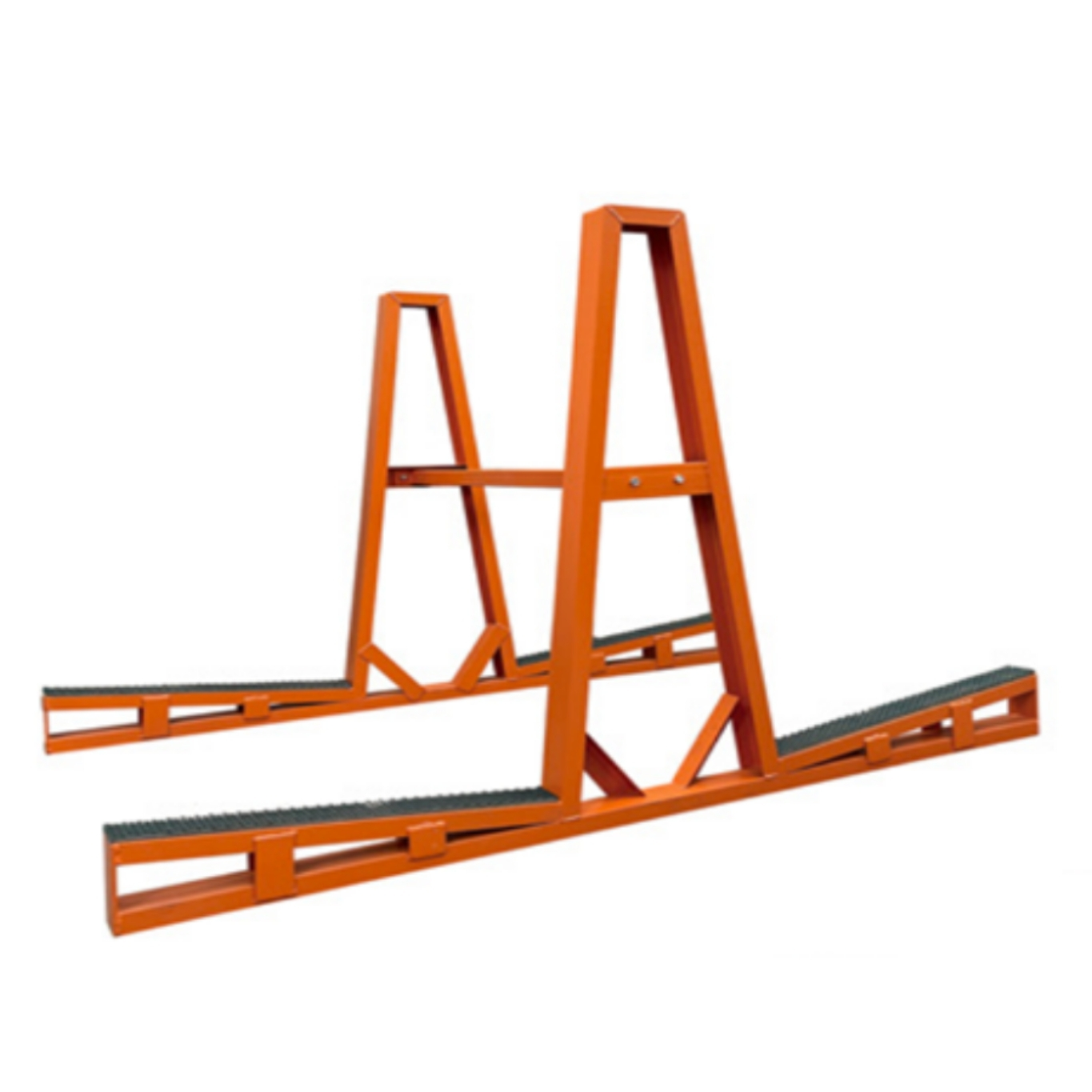
The false choice is "pick one." In practice, the saw carries the daily volume — the straight countertop, the tile, the miter — because it is faster and cheaper per meter, while the waterjet absorbs the exception jobs the saw cannot touch. A slab transfer vehicle and a rail cart move full slabs from the A-frame storage to whichever station is free, so neither machine sits idle waiting on a forklift. A low-voltage rail cart keeps that flow running without snaking cables across the floor. The shops that scale are the ones that bought the saw first, proved the volume, then added the waterjet for the exceptions — not the ones that over-bought capability on day one.
For shops still specifying the cutting cell itself, our stone cutting machine range and stone placement tools cover the bridge-saw side of that flow, and the handling links above cover everything that moves the slab before and after the cut.
FAQ
Can a waterjet fully replace a bridge saw in a stone shop?
For most stone-only shops, no. A bridge saw is roughly twice as cheap per linear meter and two to four times faster on straight granite and marble cuts. A waterjet earns its place on thick slabs, glass, metal-backed composites, and intricate shapes the saw cannot reach.
Which is faster on a standard granite countertop cut?
The bridge saw. A straight 3.2 m pass on 20 mm granite runs at about 1.2 m/min, so the cut itself takes under 3 minutes. A waterjet on the same slab cuts nearer 0.5 m/min and adds abrasive setup, making it slower for high-volume straight work.
Does a waterjet eliminate silica dust?
It removes airborne crystalline silica because the cut happens underwater and the slurry captures the fines, well below the OSHA permissible exposure limit of 50 micrograms per cubic meter. A bridge saw still generates silica-laden slurry that must be collected and disposed of, not vented.
What does a waterjet cost to run per hour?
Illustratively, about $18 to $22 per operating hour when you add garnet abrasive, nozzle wear, high-pressure pump power around 37 kW, and water catchment. A bridge saw of similar throughput runs closer to $9 to $11 per hour, largely blade and electricity.
Should a small shop buy a bridge saw or a waterjet first?
Start with the bridge saw if 80 percent or more of your work is straight stone cutting under 30 mm thick. Add a waterjet later only when thick slabs, glass, composites, or chipping rejects force the capability. Buying the waterjet first usually strands capital on low-volume work.