
Best CNC Bridge Saw for Granite and Marble Fabrication
Quick Answer
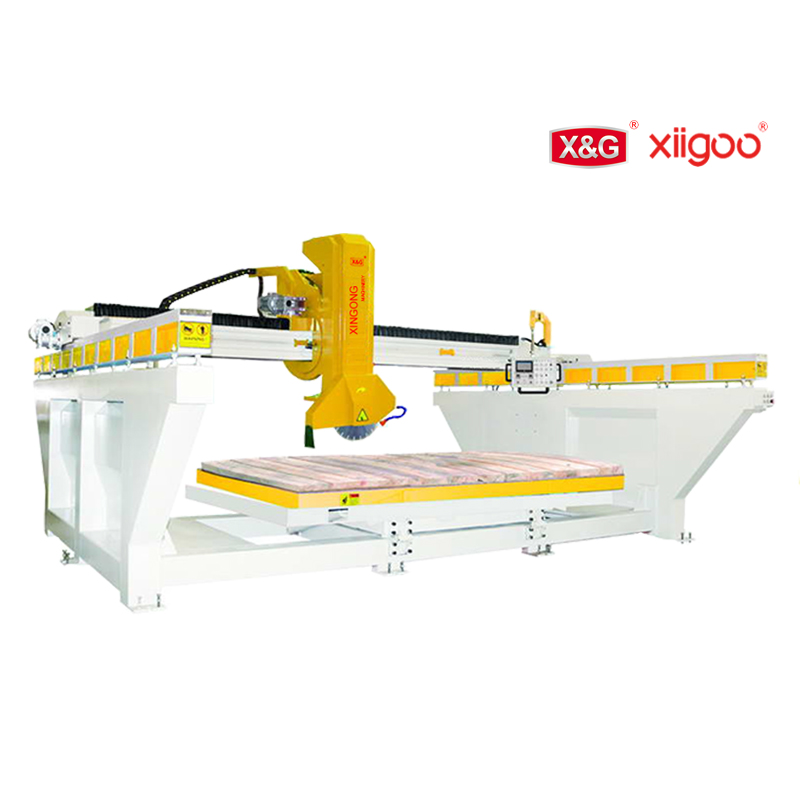
The best CNC bridge saw for granite and marble fabrication is not the most expensive model but the one whose spindle power, table capacity, blade compatibility, and control resolution fit your dominant material and slab size. Because granite sits around 6–7 on the Mohs scale and carries hard quartz grains that abrade the diamond bond, a granite-focused shop needs 11–15 kW of spindle power, a soft-bond blade, and a stiff frame to hold tolerance while the blade works through a 518 kg slab. Marble is softer and cuts faster, so the practical limits shift toward brittleness, heat, and edge chipping rather than power — a 7.5–9 kW machine with good speed control handles most marble work. Engineered quartz sits in between on hardness but higher on abrasiveness, so it behaves like a slow granite and punishes weak coolant flow. So the right question is never "which saw is best?" but "which saw is best for the 80% of slabs I actually cut?" Everything else — axis count, table tilt, automation — is a secondary decision that should follow the material.
What "Best" Means Here — A Material-Matching Problem
Buyers often shop for a CNC bridge saw by comparing headline specs, then discover the machine struggles on real material. The reason is that stone is not one material. Granite, marble, quartz, and sintered surfaces differ in hardness, abrasiveness, brittleness, and thermal sensitivity, and each of those properties pushes a different part of the machine to its limit. A machine that performs beautifully on 2 cm marble can bog down on 3 cm granite if the spindle is underpowered or the frame deflects under load. Conversely, a heavy granite-grade machine is not wasted on marble — it simply runs further below its ceiling, which usually means longer life and steadier edges. The practical approach is to profile your own material mix first, then buy for the hardest, thickest, most abrasive stone that makes up a meaningful share of your output.
Why Hardness and Abrasiveness Set the Spec
Two properties do most of the work, and separating them explains why marble and granite need different settings even on the same machine.
Granite — high hardness, high abrasiveness
Granite is a crystalline rock with a density near 2,700 kg/m³, so a 2 cm slab measuring 3.2 × 1.6 m weighs about 276 kg and a 3 cm slab measuring 3.2 × 2.0 m weighs about 518 kg. Those masses must be held steady while the blade cuts. Because granite's quartz content grinds the diamond bond away, the blade must run a soft bond that keeps exposing fresh diamond, and the spindle must deliver torque at a feed rate that never lets the blade glaze. Underpowered machines stall or force the operator to slow down, which polishes the diamonds flat instead of cutting — the classic "blade stopped cutting" complaint.
Marble — lower hardness, higher brittleness
Marble is softer, so the blade removes material quickly and spindle load drops. The risk moves elsewhere. Because marble is brittle and heat-sensitive, an aggressive feed produces chipping along the edge and burn marks rather than a clean cut, so the machine's value lies in smooth feed control, fine resolution, and consistent water delivery rather than raw power. Marble also reacts to acids, which is a finishing concern rather than a cutting one, but it means a shop cutting marble alongside granite should keep abrasives and cleaning agents separated on the floor.
Engineered quartz and sintered surfaces — the abrasive middle
Engineered quartz is resin-bonded and runs roughly 5–8% heavier than granite at the same thickness, with very high abrasiveness from the quartz filler. Sintered surfaces are harder still and demand slow feeds and strong cooling. Because both materials combine high abrasiveness with a heat-sensitive binder or a brittle body, they reward the same things granite does — power, coolant flow, and a rigid frame — but at lower feed rates. If quartz and sintered stone are part of your mix, spec the machine as if granite were your baseline, then plan extra blade consumption into running cost.
Side by Side
| Requirement | Granite | Marble | Engineered quartz / sintered |
|---|---|---|---|
| Relative hardness | High (Mohs ~6–7) | Low to medium | Medium to very high |
| Recommended spindle power | 11–15 kW for production | 7.5–9 kW usually enough | 11–15 kW, run slower |
| Blade bond | Soft bond | Hard bond | Soft to medium, high diamond concentration |
| Typical feed rate, 3 cm slab | About 1.0–1.5 m/min | About 2.0–2.5 m/min | About 0.8–1.2 m/min |
| Main failure mode | Glazing, stalling, bond wear | Edge chipping, burn marks | Heat build-up, rapid blade wear |
| Coolant demand | High flow, chip clearing | Moderate, even coverage | High flow, temperature control |
| Table capacity to plan for | 276–518 kg per slab | Similar slab masses | About 5–8% heavier than granite |
Matching the Machine to the Material — A Cycle Time You Can Do by Hand
Power and bond decide whether the machine can cut the stone. Cycle time decides whether it can do it profitably, and you can work that out on paper before you buy.
Manual formula: Cycle time per slab (minutes) = (Cut length in m ÷ Feed rate in m/min) × Number of passes.
Worked example: one straight cut of 3.2 m through a 3 cm slab, 40 slabs per day. At a granite feed rate of 1.2 m/min, each slab takes 3.2 ÷ 1.2 = 2.7 minutes, so 40 slabs consume about 107 machine-minutes, or 1.8 hours. At a marble feed rate of 2.2 m/min, the same cut takes 1.5 minutes and the day needs about 58 machine-minutes. At a quartz feed rate of 1.0 m/min, it takes 3.2 minutes and the day needs about 128 machine-minutes. Because the same physical cut ranges from 58 to 128 machine-minutes depending only on the material, a machine specified for marble will queue up badly the day a granite order arrives. Over 250 working days, the granite-versus-marble gap alone is about 49 machine-hours a year — roughly a week of production you either absorb or recover with the right feed rate and power. Run the formula with your own cut lengths, pass counts, and daily slab volume before you compare quotations, and remember that these figures are illustrative: actual feed rates depend on blade condition, water flow, and machine rigidity.
The Spec Checklist That Settles It
- What is 80% of your slab volume, by material and thickness? This single answer sets spindle power and blade choice. A shop that is 80% 2 cm marble does not need a granite-grade spindle, and buying one ties up capital that a polishing line would use better.
- What is the heaviest slab the table must carry? A 3 cm, 3.2 × 2.0 m granite slab is about 518 kg, and engineered quartz at the same size runs 5–8% heavier. Because the table, frame, and tilt mechanism all size to that number, understating slab mass is the most expensive mistake in the checklist.
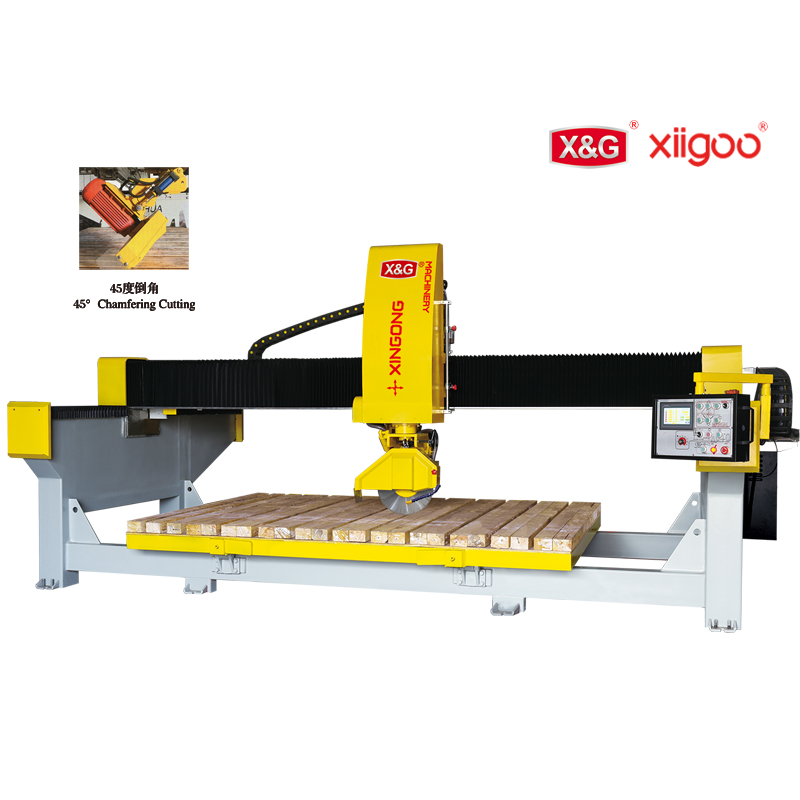
- Do you cut mitres, curves, or compound angles? If the answer is no, a 4-axis machine cuts granite and marble to the same edge quality as a 5-axis unit. The fifth axis buys reach and setup reduction, not cutting power.
- How much coolant flow and dust control can the shop support?Granite and Quartz Cutting produce abrasive slurry and respirable crystalline silica, so the machine needs adequate water delivery and the shop needs dust control — a regulatory requirement, not an option, under theOSHA crystalline silica rule.
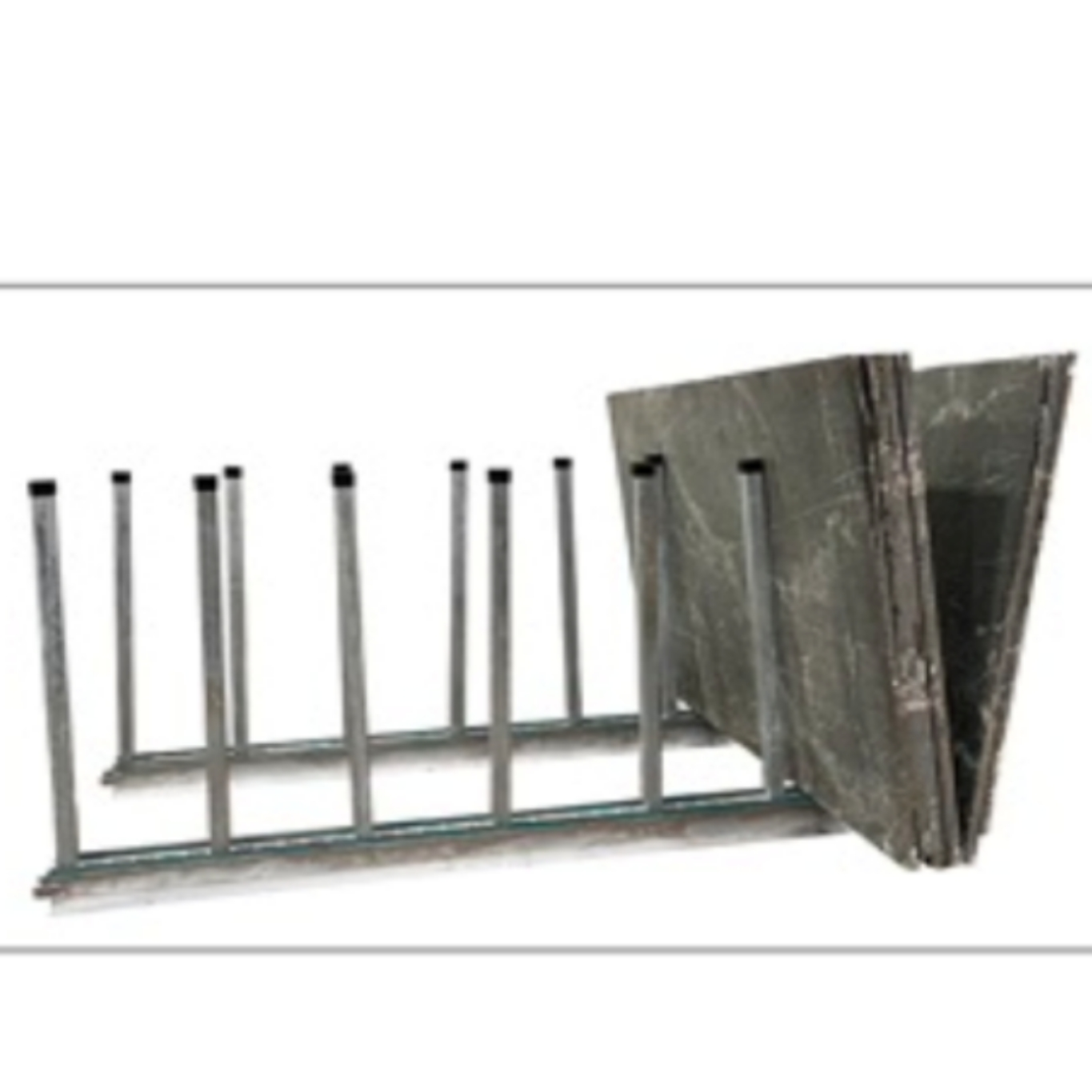
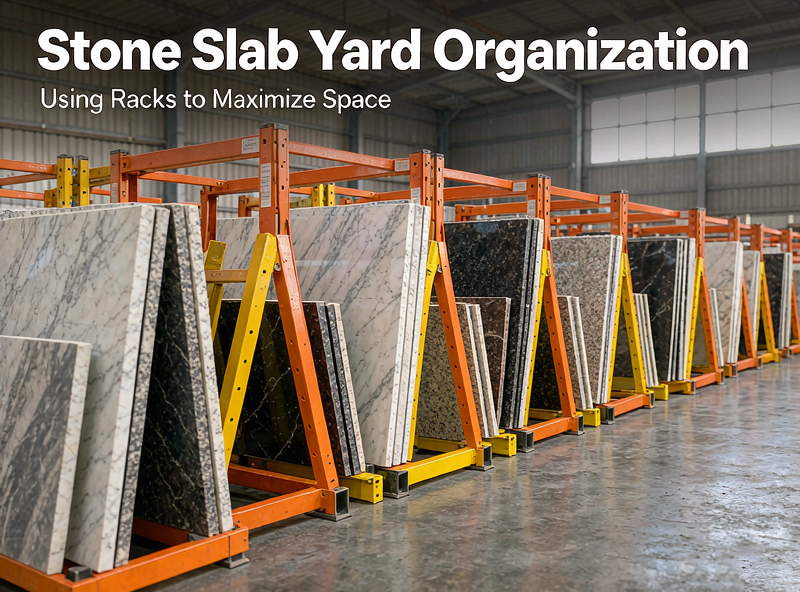
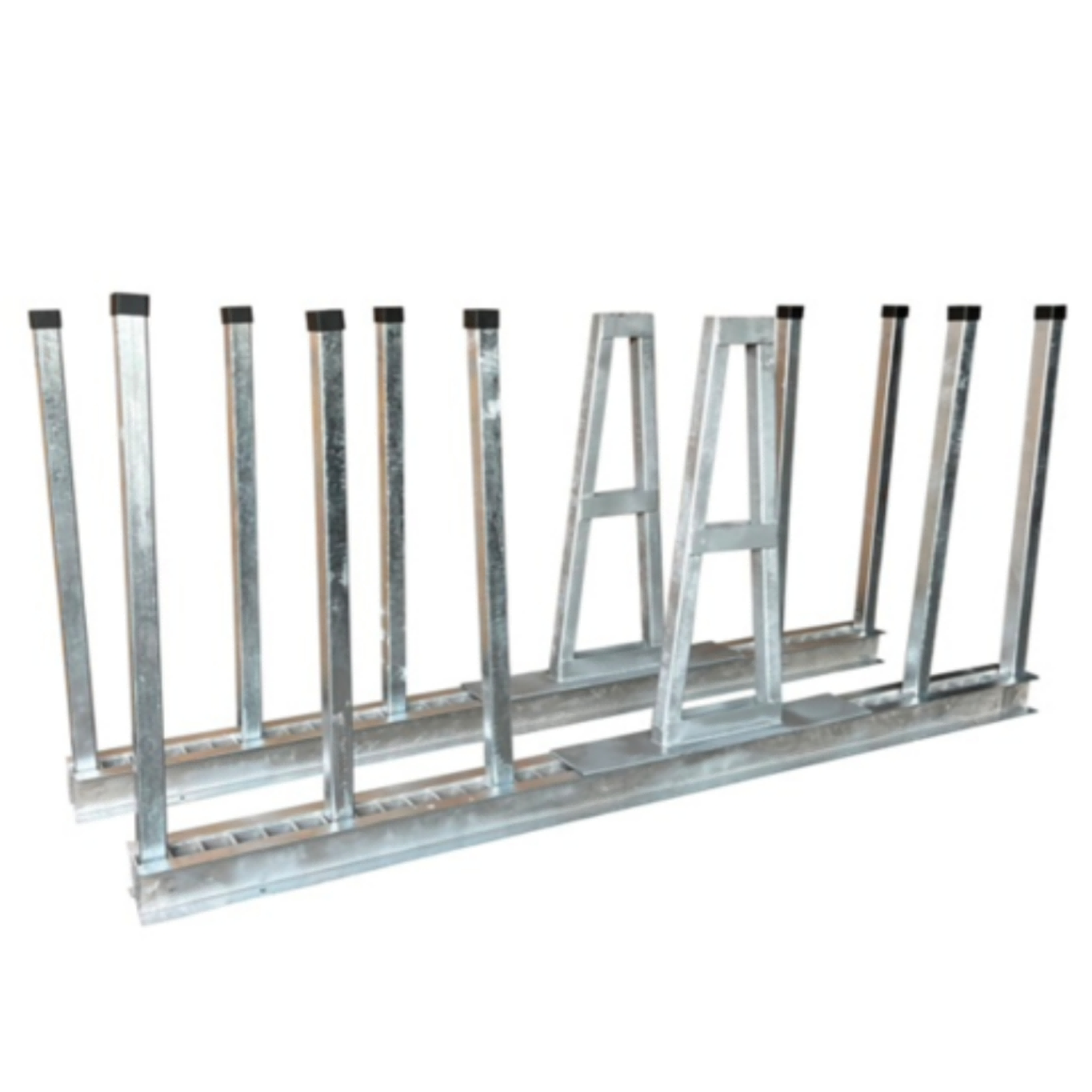
- How will you move slabs to and from the table? A 518 kg slab cannot be repositioned by hand, and dragging it damages both the edge and the machine's alignment. Plan the handling loop — turnover, placement, and transfer — at the same time as the saw, because the material flow sets the saw's real productivity.
When a Smaller Saw Is the Right Call
A smaller machine is genuinely the better buy in several situations, and pretending otherwise inflates a project for no return. If your output is mostly 2 cm marble tiles cut straight to size, a 7.5–9 kW 3- or 4-axis saw with a reliable template and stop system will match the throughput of a much larger machine, because the cut is not the constraint — handling and finishing are. If your work is dominated by sinks, cut-outs, and tight-radius curves in small pieces, a waterjet may beat a bridge saw outright, since an abrasive jet cuts geometry a rotating blade cannot reach without re-fixturing, and bridge-saw power does nothing for you there. And if you cut fewer than about ten slabs a day in mixed materials, the 5-axis premium rarely earns back; the setup savings are real but the volume is too low to compound them.
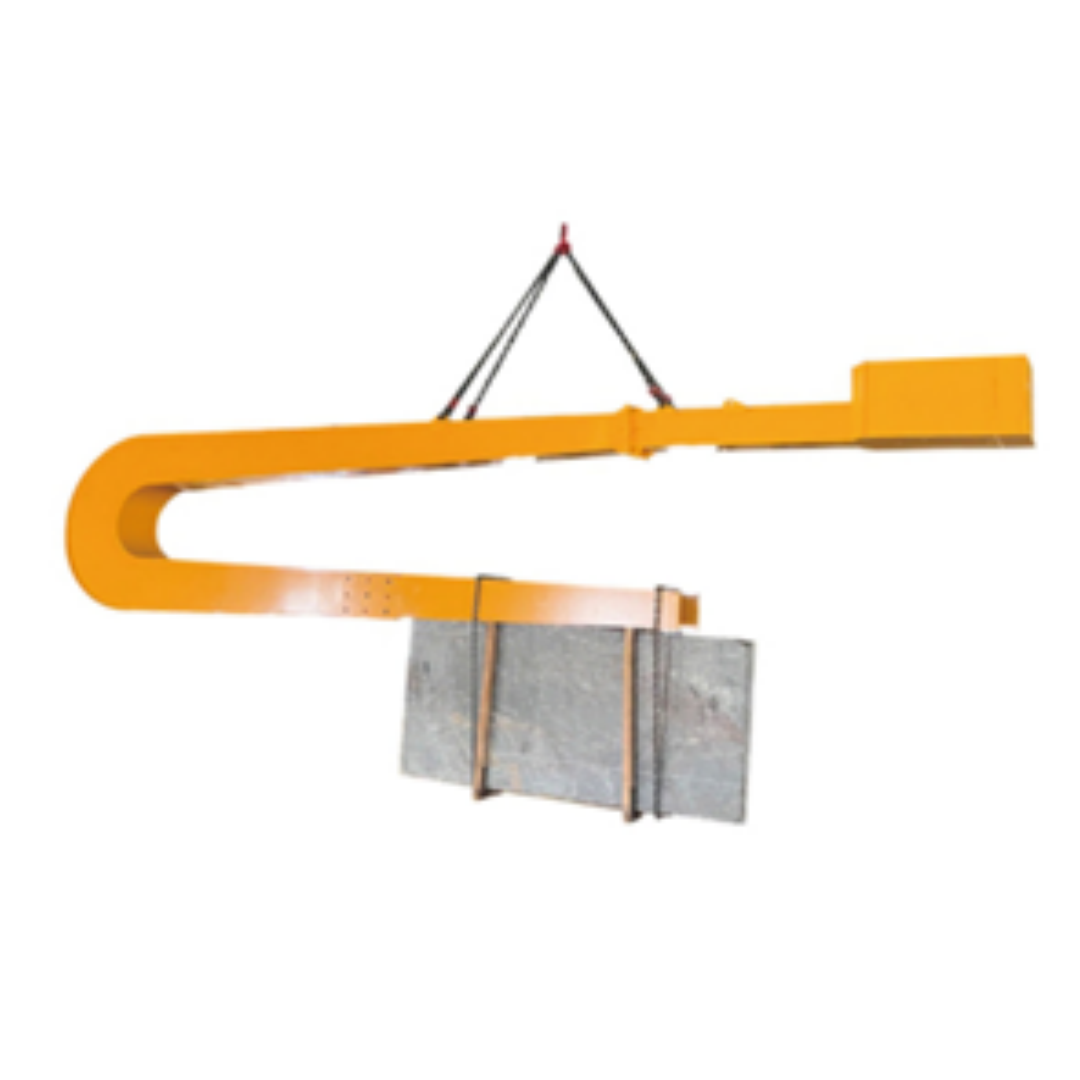
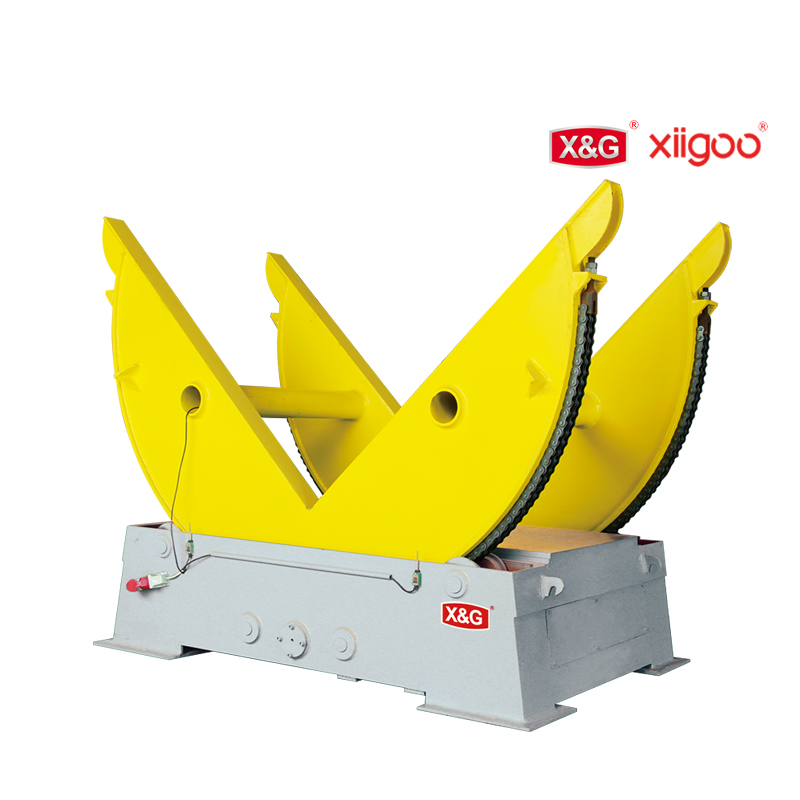
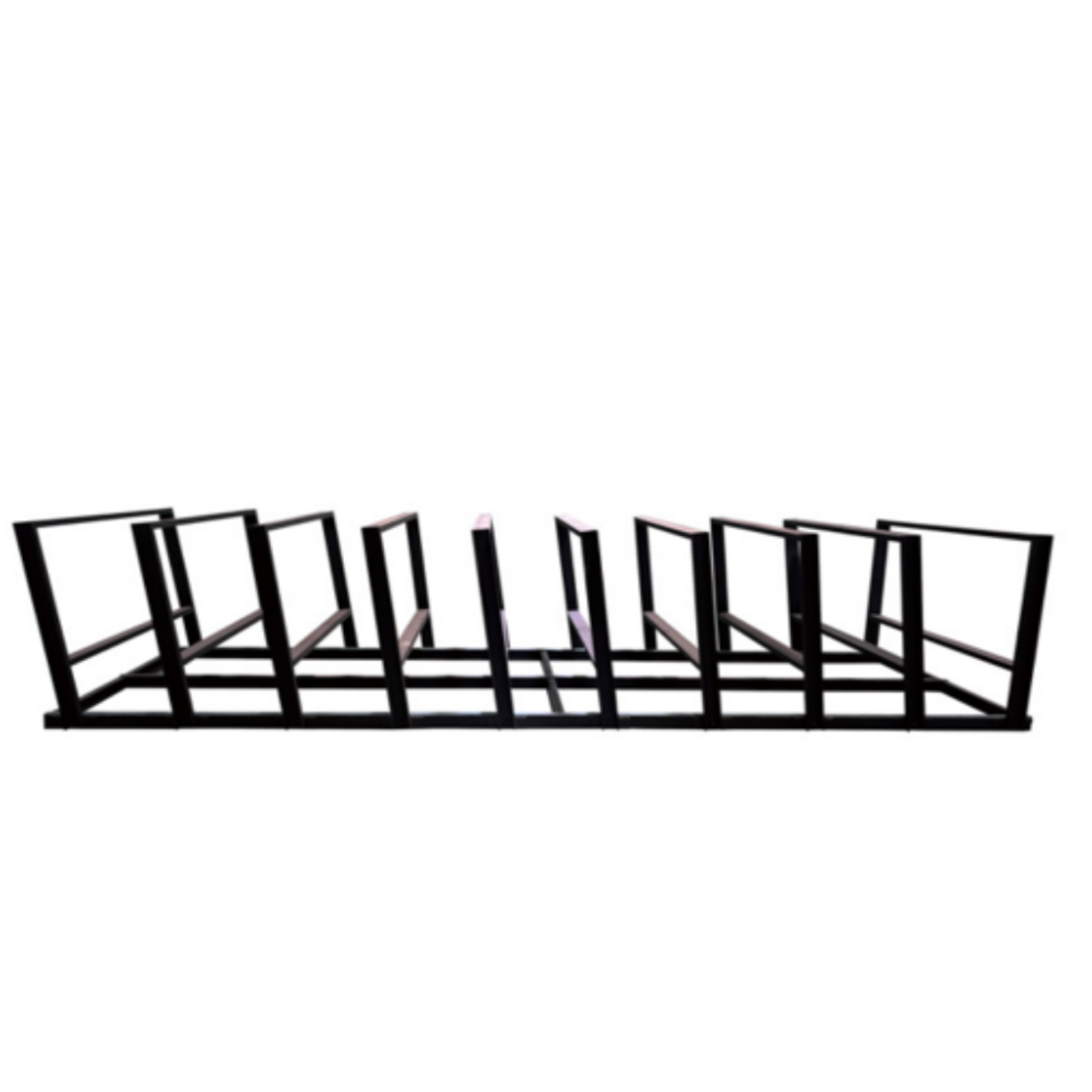
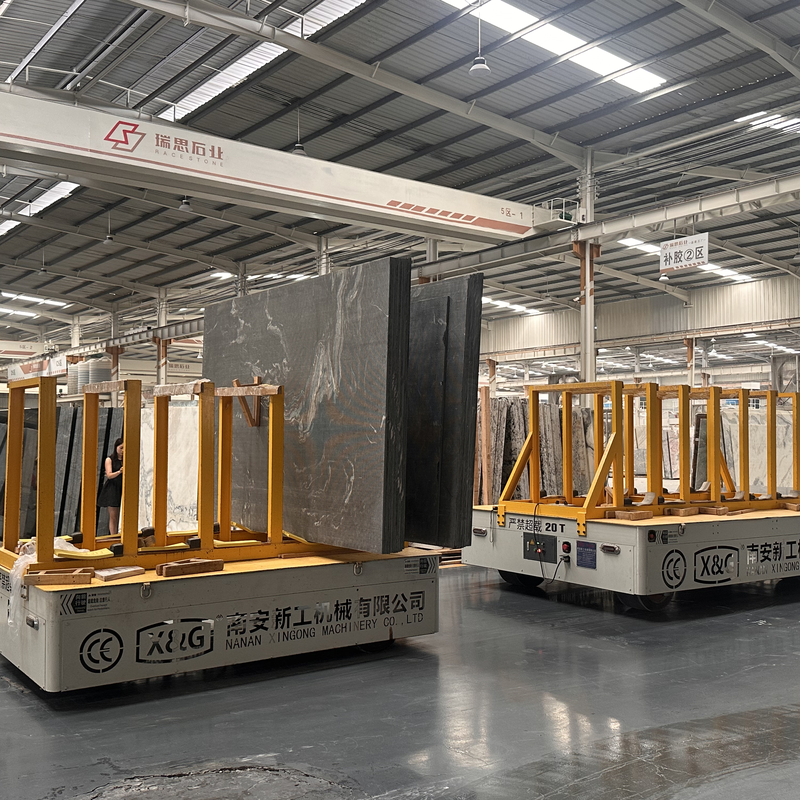
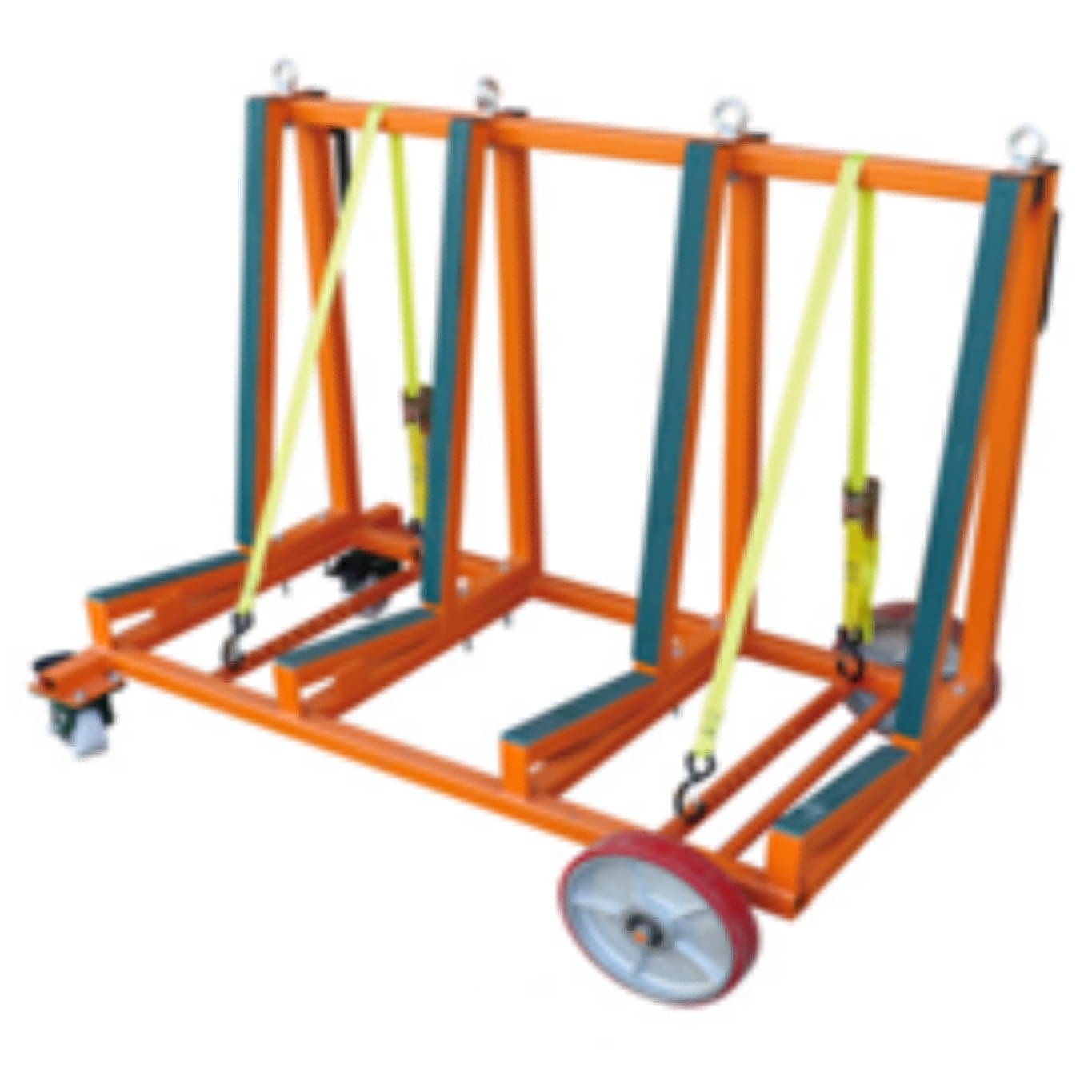
Whatever machine you choose, the surrounding equipment determines how safely the heavy slabs reach it. A stone turnover machine flips a block or slab without a crane lift, stone placement tools position it precisely at the table, and a slab transport cart keeps the load stable on the way in. Because a slab that is dropped or jarred releases internal stress and moves after cutting, the handling path is also a quality control step, not logistics overhead.
FAQ
What spindle power do I need to cut 3 cm granite?
For production cutting of 3 cm granite, plan on roughly 11–15 kW at the spindle because granite is hard and abrasive and the blade must clear chips without stalling.
Can one CNC bridge saw cut both granite and marble?
Yes. One machine can cut both because the difference is in parameters rather than in the frame: swap to a soft-bond blade for granite, keep a hard-bond blade for marble.
Is a 5-axis CNC bridge saw necessary for granite?
No. Axis count is set by the shapes you cut, not by the material.
How do I choose the right blade bond for granite versus marble?
Match bond hardness to stone abrasiveness. Granite wears the diamond quickly, so a soft bond exposes new diamonds faster.
What else should a granite shop budget for besides the saw?
Water and slurry handling come first, because granite cutting produces abrasive slurry and respirable crystalline silica dust.